
Oct. 27, 2025 — Food For Life
As Food Banks Canada’s HungerCount 2025 report reveals record levels of food insecurity across the country, Food for Life is seeing the same reality reflected locally — and responding with innovation, collaboration, and compassion.
The national report shows over 2.1 million visits to food banks in a single month — nearly double from six years ago. More than one in three visits were by or on behalf of children, and almost 20 percent of people relying on food banks are employed, showing that even working households can no longer make ends meet. Across the country, food banks are reporting severe supply challenges, with many unable to meet rising demand.
“The HungerCount 2025 data confirms what we see daily — hunger looks different today,” says Karen Randell, Executive Director of Food for Life. “Families who once donated are now needing help. Seniors are choosing between food and medication. Working adults are still going hungry. But in our region, collaboration and rescued food are helping bridge that gap.”
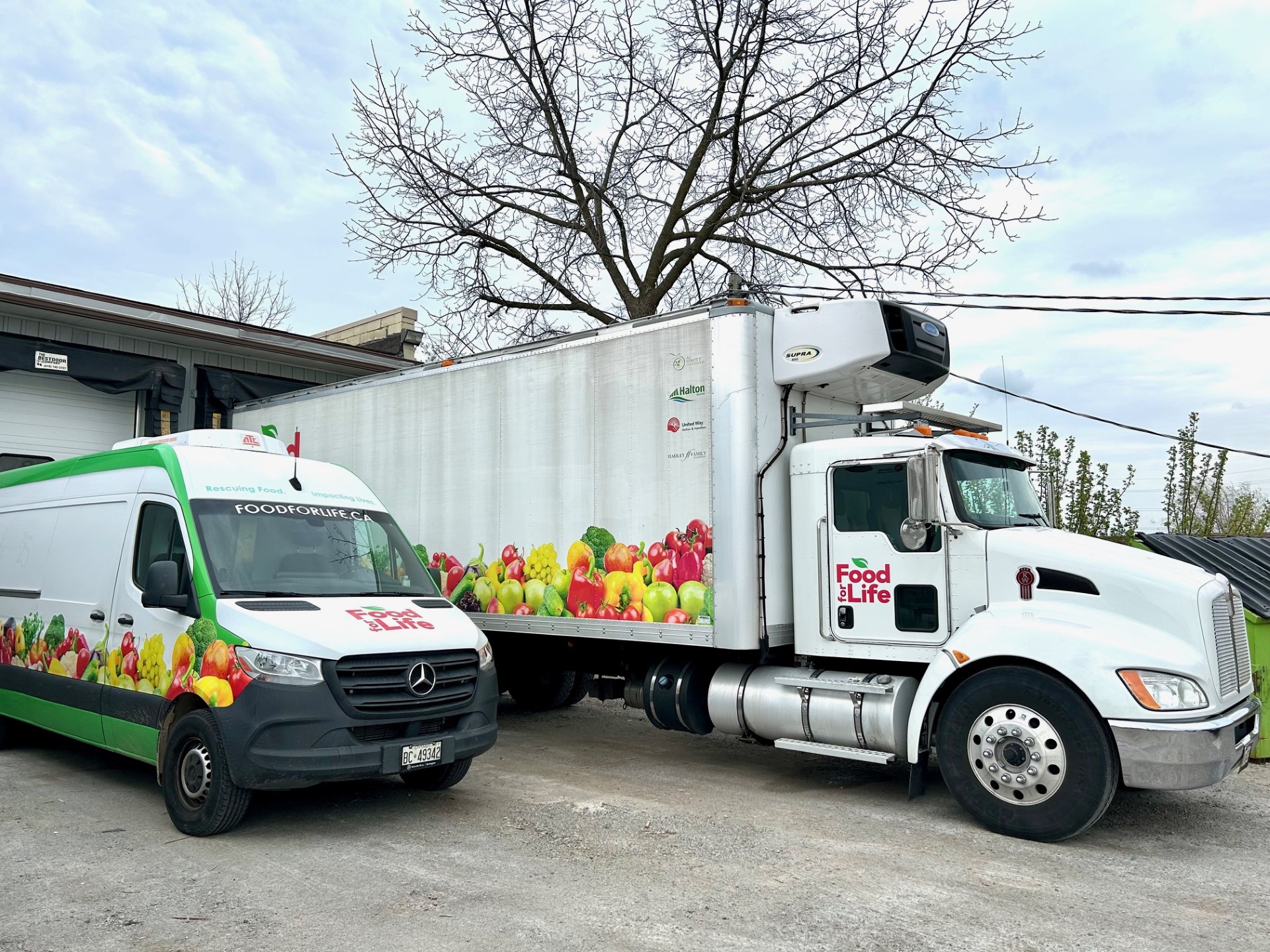
In 2024, Food for Life rescued and redistributed 4.6 million pounds of perfectly good, nutritious food valued at over $15 million, reaching 4,500+ households weekly across Halton and Hamilton. This work prevented 6 million kg of greenhouse gas emissions, turning food waste into community wellbeing.
In addition to the 45 programs operated directly by Food for Life, more than 45 community partners across Halton and Hamilton rely on rescued food from Food for Life to power their food security programs. The access to food provided through Food for Life is vital for neighbours’ health and wellbeing, ensuring that nutritious food reaches those who need it most. As demand continues to rise, these partnerships remain essential to providing consistent, reliable support close to home.
Together, these collaborations extend agency resources, stabilize programs under growing pressure, and expand the reach of dignity-driven, low-barrier, and accessible initiatives that support better health, fresh food access, and stronger community connections.
The HungerCount 2025 report calls for systemic action on poverty, affordability, and housing. Food for Life echoes this call while continuing to lead through action. Its evidence-based model demonstrates that rescuing food not only feeds people — it builds community resilience, saves healthcare costs, and reduces environmental impact.
“We’re not just handing out food,” Randell adds. “We’re supporting health, saving resources, and showing what’s possible when community works together.”
For three decades, Food for Life has served as a community leader, proving that when good food is shared, good things grow. Every $10 donated provided over $70+ worth of good food, thanks to the organization’s efficient model of food rescue and redistribution. With operations supported by a network of over 800 volunteers contributing 37,000+ hours, Food for Life continues to be recognized as one of Canada’s Top 100 Charities, Top 10 Impact, and Top 10 Food Bank Charity, and a national leader in food rescue and environmental impact.