
By Kezia Royer-Burkett, Local Journalism Initiative Reporter
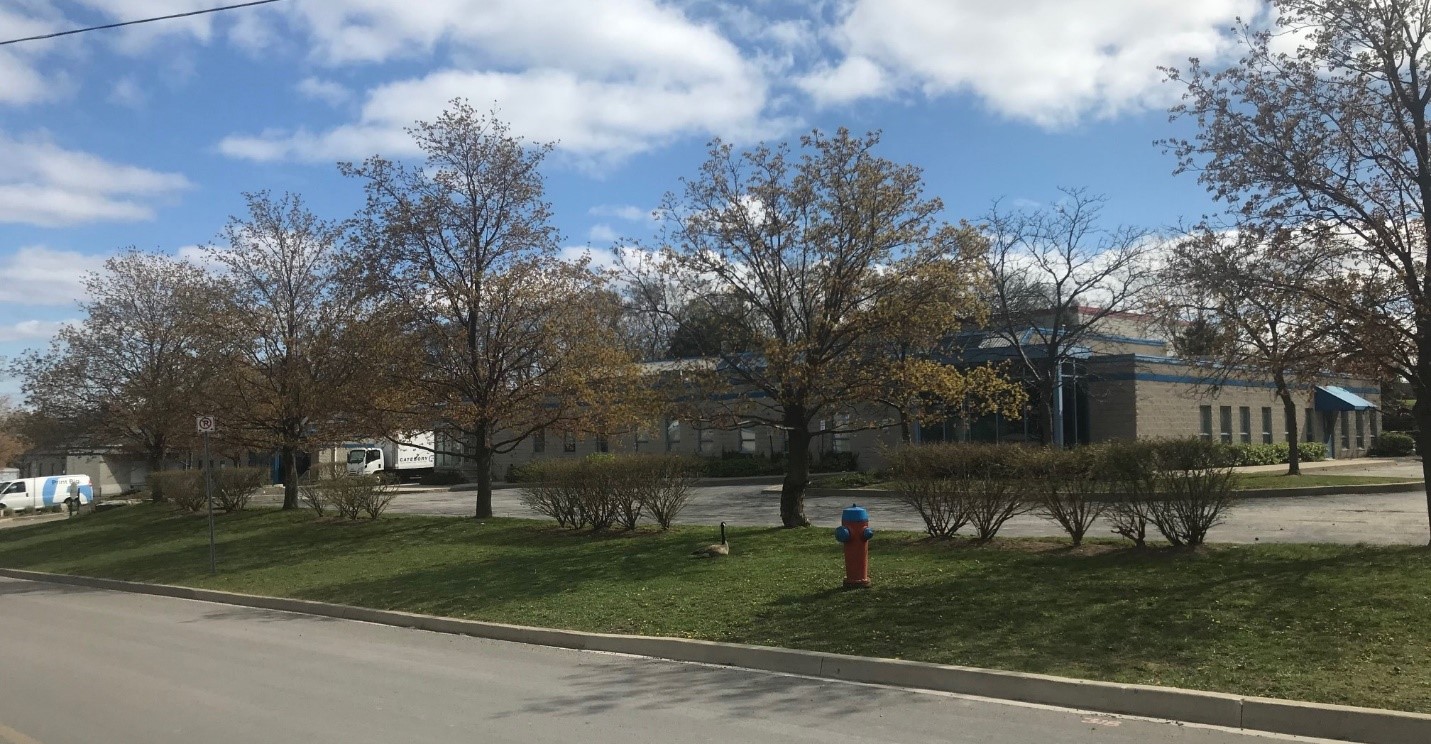
The proposed data centre in Burlington’s Ward 4 continues to generate questions from residents, elected officials, and candidates as the city prepares to consider additional information about the project.
According to the City of Burlington, if the development proceeds, the property would be subject to assessment and taxation once it becomes operational. The property would undergo a provincial tax assessment process to determine its tax rate.
The city noted that property taxes include funds collected on behalf of Halton Region and Ontario’s education system, in addition to supporting municipal services. In addition to property taxes, the development may also be subject to development charges. The city collects these charges to help fund infrastructure required to support new developments, including roads, transit, water, and wastewater infrastructure.
Residents will have an opportunity to provide feedback if a motion regarding the proposed data centre is brought forward at an upcoming council meeting. Residents can register as a delegation to speak directly to council or submit written comments to the City Clerk’s office, which would become part of the public record.
Ward 4 Councillor Shawna Stolte said she remains committed to ensuring the community’s interests are considered throughout the review process.
“As with any site plan application, this proposal must undergo a thorough review that staff will undertake,” Stolte said. “The review process is designed to ensure that all information, planning policies and input from various agencies are considered in the application process to determine the most appropriate outcome for our community.”
Stolte said she wants to review staff findings and recommendations, and hear additional feedback from Ward 4 residents before commenting further.
Ward 4 candidate Olivia Duke said major projects should be evaluated through a clear process, keeping the community in mind.
“Every significant project should be evaluated on its own merits through a transparent, evidence-based process that carefully considers its long-term impact on our community,” Duke said. “That means asking thoughtful questions, listening to residents, reviewing the facts, and ensuring decisions balance economic opportunity with environmental responsibility, infrastructure capacity, neighbourhood compatibility, and responsible financial stewardship.”
Ward 4 candidate Chris Carter said data centres can bring economic benefits, but they also require careful consideration.
“On the positive side, data centres can bring investment, tax assessment value, and some employment to the area,” Carter said. “They support the digital infrastructure that communities increasingly rely on.”
However, Carter said concerns around electricity use, environmental impacts, infrastructure capacity, and the relationship between jobs created and land used must be examined.
Carter said he believes large-scale data centres should have a dedicated planning framework that allows municipalities to better assess their impacts.
Ward 5 Councillor Paul Sharman said the city must follow the legal planning process because the applicant has submitted a proposal that aligns with current zoning regulations.
“The thing about being an elected official, you need to make informed choices, and it’s not about uninformed opinions,” Sharman said.
Sharman said the current application does not require a zoning amendment because the proposed use is permitted under the existing zoning framework.
He also said site plan approvals are now handled through staff review under changes made by the provincial government.
Regarding concerns about electricity use, Sharman said Burlington Hydro would determine whether the electrical system can support the project.
“If the hydro company says, ‘Actually, we can do this,’ then we can do this,” Sharman said.
He also pointed to the potential for infrastructure improvements connected to the project.
“There is a source of electricity for Burlington that the city has not been able to tie into by [near] the 407,” Sharman said. “The cost to link it through to users has to be paid for by the applicant.”
Sharman said if the project requires those upgrades, it could increase future electricity capacity for other users.
He also said noise concerns would be regulated through provincial requirements and municipal bylaws.
The proposed facility would operate 24 hours a day, seven days a week. According to the detailed letter of use submitted for the project, the building would include data halls, electrical and network rooms, mechanical support spaces, security monitoring facilities, offices, staff areas, loading areas, and storage spaces.
The applicant states that staffing levels would be relatively low compared to traditional office or industrial developments and would primarily include operations staff, security personnel, maintenance workers, facility management staff, contractors, and occasional client representatives.
Ward 2 Councillor Lisa Kearns said the conversation around data centres highlights the need for municipalities to better understand the potential impacts of these types of developments.
Kearns said she has been seeking additional information from city staff and believes council requires more technical details before making decisions about future data centre proposals.
She said questions remain around the long-term implications of these facilities, including infrastructure capacity, electricity demand, and how large future developments could become.
“I want council to have the chance to have conversations about the impacts to the community and ensure we can diligently complete our role as a government when it comes to complex land-use decisions,” Kearns said. “My job is to make sure the community understands what the impacts can be.”
Kearns has brought forward a motion requesting additional information and a policy framework related to data centre development in Burlington. Mayor Marianne Meed Ward said she will second the motion at council.
Meed Ward is also co-moving a separate motion with Deputy Mayor of Business and Red Tape Reduction and Ward 1 Councillor Kelvin Galbraith, calling for provincial and federal standards for data centres, advocating that municipalities should not be addressing large-scale data centre proposals individually without broader guidelines.
According to the motion being brought forward by Meed Ward, the goal is for the Government of Canada and the Province of Ontario to work with municipalities, municipal associations, utilities, infrastructure providers, and industry stakeholders to create a coordinated regulatory and policy framework for data centre development. The motion notes that as demand for data centres continues to grow across the region and country, municipalities need a clearer understanding of the potential impacts on electricity, water, and other critical infrastructure.
Council is expected to discuss the issue at its meeting on Tuesday, July 21. As the conversation continues, questions remain about infrastructure capacity, long-term community impacts, economic benefits, and whether Burlington’s current planning framework is equipped to address large-scale digital infrastructure projects.