By Kezia Royer-Burkett, Local Journalism Initiative Reporter
June is National Indigenous History Month in Canada, a time to recognize and celebrate the rich histories, cultures, traditions, and contributions of First Nations, Inuit, and Métis Peoples. It is also an opportunity for Canadians to reflect on the relationships Indigenous communities continue to have with the lands they have stewarded for generations.
Over the past several years, land acknowledgement statements have become a familiar part of life across Canada. They are spoken before public events, printed in programs, and displayed on municipal websites, including here in Burlington. Many residents have heard the words, but fewer understand what they truly mean for Indigenous communities living and working throughout the Halton Region today.
On the City of Burlington website, the city acknowledges that Burlington is located on lands rich in the history and traditions of many First Nations and the Métis. The statement recognizes the territory covered by the Dish With One Spoon Wampum Belt Covenant, an agreement between the Haudenosaunee Confederacy, the Ojibway, and allied Nations to peacefully share and care for the resources around the Great Lakes. It also acknowledges the Treaty Lands and Territory of the Mississaugas of the Credit First Nation.
For many Indigenous people, these acknowledgements are not simply ceremonial words. They reflect a continuing relationship with the land that stretches back generations and still shapes daily life, culture, and traditions today. One way that continuing relationship plays out is through access to traditional lands, including provincial parks located within treaty territories.
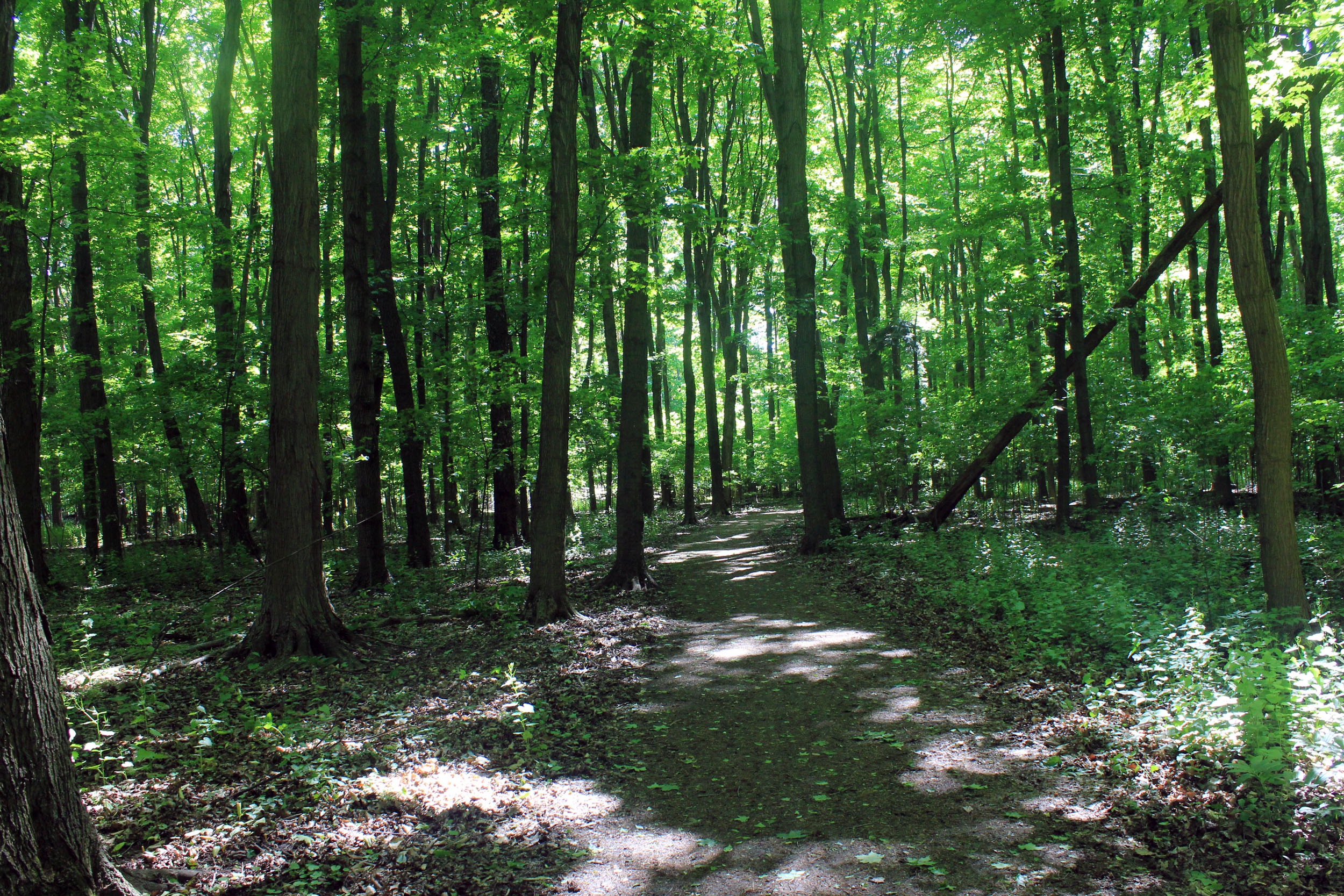
Questions about Indigenous access to Bronte Creek Provincial Park led to broader discussions about how Indigenous communities access provincial lands and how those policies are applied in practice.
According to the Ministry of the Environment, Conservation and Parks, Indigenous Peoples are not charged fees when accessing provincial parks within their traditional territory or treaty area for the purpose of exercising Aboriginal and treaty rights. However, fees are still collected for recreational uses such as camping, day use, and attending events like Bronte Creek’s Maple Syrup Festival.
To better understand how these policies affect Indigenous communities, Burlington Local-News.ca spoke with Chief Margaret Sault, who was elected chief of the Mississaugas of the Credit First Nation in December 2025.
Chief Sault said that while free day-use access exists under provincial policy, the experience on the ground is often inconsistent.
“Fees like parking are not always exempt, and there is a clear lack of awareness among park staff about the policy itself,” she said. “There is also more visible communication about free access for veterans than there is for Indigenous peoples.”
She explained that the limitations placed on access can cause uncertainty for Indigenous families trying to connect with lands that are part of their traditional territories.
“There is also no free access for longer stays, like overnight camping,” Sault said. “All of this creates confusion and limits the ability of our people to fully connect with the land.”
Chief Sault also questioned how the province determines which First Nations have access to specific parks and whether treaty relationships are being fully considered in those decisions.
“The current approach is meant to limit free access to parks within a First Nation’s traditional territory,” she said. “However, there is no clear process for how that is determined or enforced.”
Another concern involves the distinction between rights-based access and recreational use. While policies recognize access connected to Aboriginal and treaty rights, Sault said there is little clarity around how those rules are applied in practice.
“That creates uncertainty for Indigenous peoples trying to access these spaces, even within their own territories,” she said.
For Indigenous communities, spending time on the land is often tied to ceremony, cultural teachings, harvesting practices, and community gatherings that do not always fit into standard park operating hours or recreational categories.
“Many cultural activities, ceremonies, and traditional practices extend beyond a standard daytime window,” Sault said. “When access is restricted in that way, it can limit the ability to fully exercise those rights and responsibilities on the land.”
She believes improvements can begin with clearer communication and better staff education across the provincial park system.
“There needs to be clearer, more visible communication about Indigenous access policies, and better training for park staff to ensure those policies are understood and applied consistently,” Sault said. “If these policies are meant to support Indigenous access, then they need to be implemented in a way that actually works for our peoples.”
As communities across Halton mark National Indigenous History Month and recognize National Indigenous Peoples Day on June 21, local organizations are creating opportunities for residents to learn more about Indigenous histories, cultures, and perspectives.
One example is Conservation Halton’s “Voices of the Land: Indigenous Peoples Speaker Series,” which has returned to Crawford Lake Conservation Area for a second year. Throughout June, Indigenous Knowledge Keepers, artists, and community members are sharing stories, teachings, and lived experiences rooted in culture, community, and connection to the land.
Events like these provide an opportunity for residents to move beyond simply hearing a land acknowledgement and to engage more deeply with the Indigenous histories and ongoing relationships that continue to shape this region.
As land acknowledgements continue to be spoken across Burlington and the Halton Region, conversations like these should prompt residents to think more deeply about what those words mean beyond a public statement. For Indigenous communities, the discussion is not only about history, but about present-day access, relationships, and the ability to maintain cultural connections to the land for future generations.