By Claudette Sims, Halton Master Gardener
Perennials and bulbs
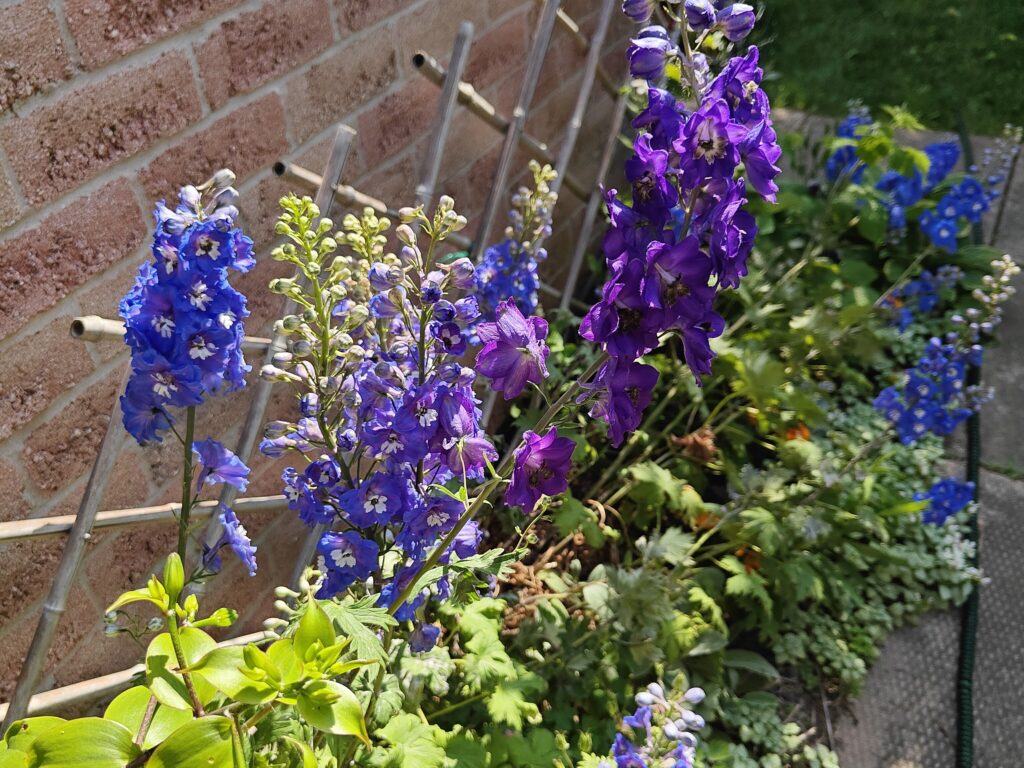
Stake and support tall plants (e.g., peonies, sunflowers, delphiniums). Some perennials, such as ironweed, asters, goldenrods, monarda, and penstemon, will benefit from a “Chelsea chop.” Do this before they form buds to produce denser, sturdier plants with more blooms. Divide tulips, fall crocus, and other bulbs once the leaves have died.
Veggies
Ensure climbing vegetables are staked, including tomatoes, cucumbers, and pole beans. Mound potatoes to maximize production and protect tubers from sun exposure. Avoid blossom end rot by watering tomatoes regularly. Pinch side shoots (suckers) on indeterminate tomatoes. When soil is consistently warm, direct sow heat-loving crops such as corn, beans, squash, and cucumbers. Harvest mature peas to ensure ongoing pod production. Grow herbs near the kitchen for easy access. Grow invasive mints and oregano in containers to prevent spread. Add these native flowers to attract beneficial insects to your vegetable patch.
Fruit
Remove the tips of black raspberry canes to increase fruit size. Set out apple maggot traps to capture small fruit flies that attack apples, plums, pears, and cherries.
Compost
Use compost to mulch garden beds and trees. Turn your compost pile and water it if dry. Read more about composting at this link.
Water newly planted trees and plants regularly; water lawn and existing trees less frequently but deeply. Potted plants will need more frequent watering. Use soaker hoses for water-wise gardening.
Weeds
Hand-pull or dig weeds to prevent seed formation. An approved herbicide containing iron in the form of FeHEDTA can be used for problem areas or weeds such as Creeping Charlie or invasive thistles.
I build tiny jars from mud and clay, Then tuck my wriggling prey away. I’m striped and swift, but not a bee —
a careful mason small as can be. What am I?
— Halton Master Gardener Claudette Sims
‘Pests’
Whenever possible, resist the urge to reach for a pesticide so that predatory insects have a chance to feed on insect pests. Japanese beetles appear in June. Hand-pick, knock into a bucket of soapy water, or use a hand vacuum to suck them up! Aphids can be squished or knocked off plants using a strong spray from your garden hose.
Make this totally non-toxic mosquito trap that will attract female mosquitoes and reduce overall numbers without killing the world! Reduce earwig numbers with traps; leave them in the garden where earwigs are present, e.g., paper rolled up like straws and secured with masking tape. Each day, tap the paper straw against a bucket of soapy water to empty it. Replace the traps and repeat. Squash bug control–all you need is duct tape and this cool video!
Hydrangeas may be affected by leaf rollers and hydrangea leaftiers. Keep in mind the damage is minor, and insects are an important part of our ecosystems. If they are a concern, simply cut off the affected parts or squish the caterpillar. Learn how to reduce the number of slugs and snails by using traps and changing cultural conditions in your garden.
For more information on dealing with “pests” in the garden, read page 5 of the Halton Master Gardeners’ June newsletter.