
By Claudette Sims, Halton Master Gardener
Fall garden management
Leave the leaves in your garden to feed the soil and preserve overwintering insects. Store excess leaves in bags or piles to use as mulch in spring. Leave plant stems and seed heads for native bees and birds. Clean up the shed, garage, patio, paths, etc. Donate unused tools, and repair, recycle, or throw away broken items. Drain and store hoses and turn off the water supply. Clean and store or cover pots, watering cans, etc., to prevent cracking during freeze-up. Cover ponds with netting before leaf fall or remove leaves in the pond with a bamboo rake. Check for weeds weekly.
Perennials
Moist soil and cool days of fall are perfect for transplanting or dividing most perennials. Lift the whole plant with a fork or spade, getting as much root as possible. Pull the clump apart carefully or use a sharp knife to divide it. Replant at the same level as the plant was growing and gently tamp down the soil. Note that plants with deep taproots do not transplant well, e.g., New Jersey tea, false indigo, butterfly milkweed.
Seeds
Continue to collect seed for next year’s garden. Collect and prepare containers for winter sowing perennials.
Trees and shrubs
Mulch trees with wood chips. To reduce rodent and rabbit damage, use tree guards or chicken wire and trim the grass around the tree. Continue to water until freeze-up. Consider replacing boxwood, which is now susceptible to eight pests and diseases and requires ongoing spraying and care to keep it healthy. Choose from this gallery of shrubs under 4 feet tall, as well as a variety of shrubs with high wildlife value, winter interest and fall colour!
Houseplants
Decrease watering as the days become shorter. Check for pests weekly.
Got extra leaves? Try your hand at making your own Gardeners’ Gold-leaf mold! It can be used as a mulch, soil conditioner, potting mix or seed compost.
— Claudette Sims, Halton Master Gardener
Veggies
Harvest squash and leave in bright light to cure for 2 weeks; see “What is the proper way to harvest and store winter squash?” Prepare bed and plant garlic, preferably hardneck; see “Growing Garlic from Cloves: A Toronto Master Gardeners Guide.” Keep eyes on the weather predictions and, prior to the first frost, collect the last of the tomatoes. If they are showing any signs of blush, leave in bright
light to continue to ripen. For those that are truly green, make pickles or fried green tomatoes.
Harvest the last of the beans, keeping dried beans for kitchen use or seed swapping. Leave veggies such as kale, rapini, broccoli, parsley, and leeks to continue to grow–they can withstand hard frost–and harvest as needed. Disconnect and store any irrigation systems that might have been used. Clear beds of expired plant material such as tomato vines and peppers and add to the compost pile. Spread finished compost on cleared beds.
Fruit and herbs
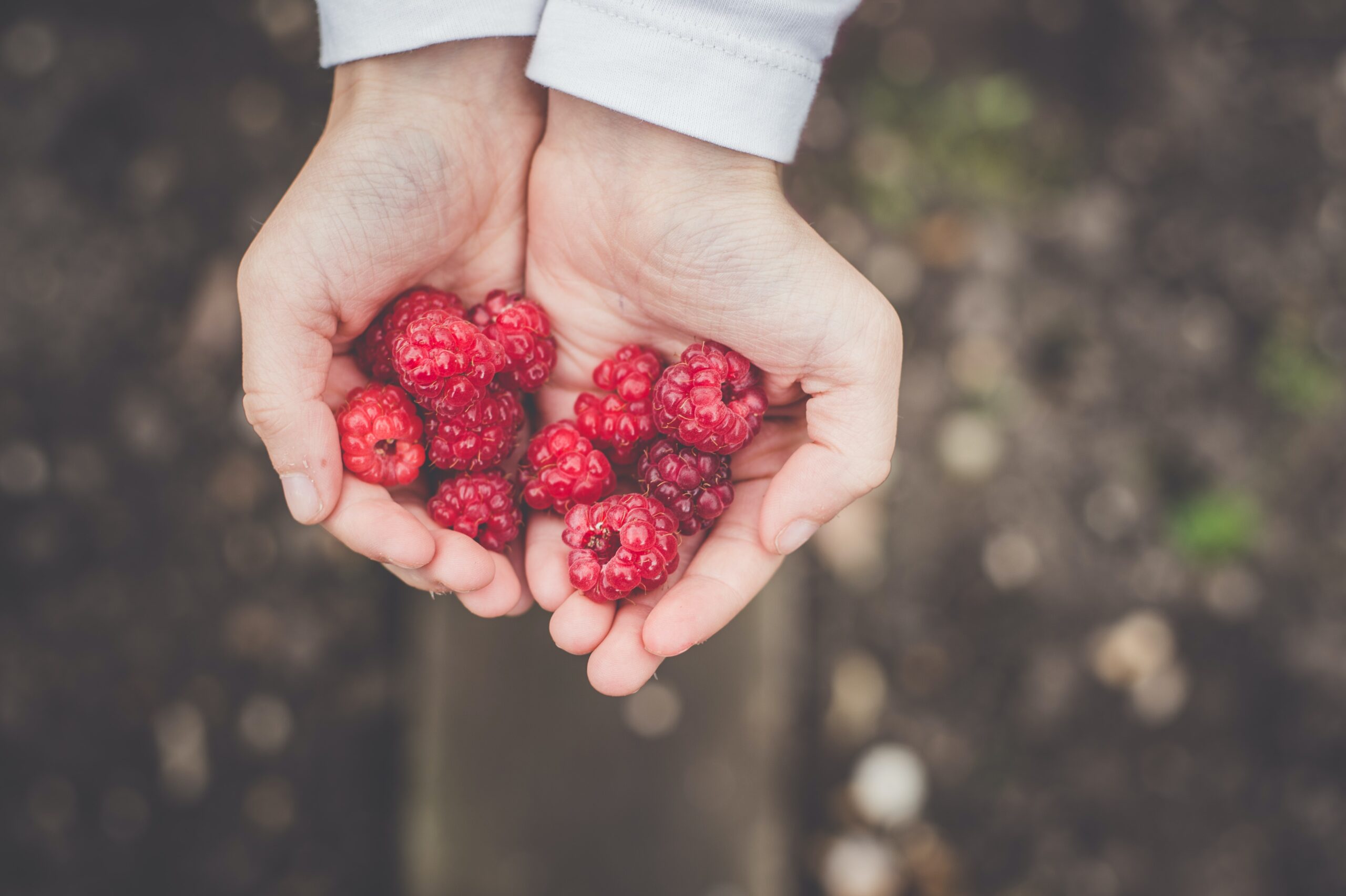
Cut raspberry canes that have borne fruit this year, leaving next year’s canes untouched. Place tree guards on trunks of small fruit trees such as apples and plums to protect from winter damage by rabbits and voles. Learn more about protecting trees from the University of Saskatchewan College of Agriculture and Bioresources. Bring any tender container plants, such as rosemary and bay laurel, indoors to overwinter.