By Claudette Sims, Halton Master Gardener
Perennials
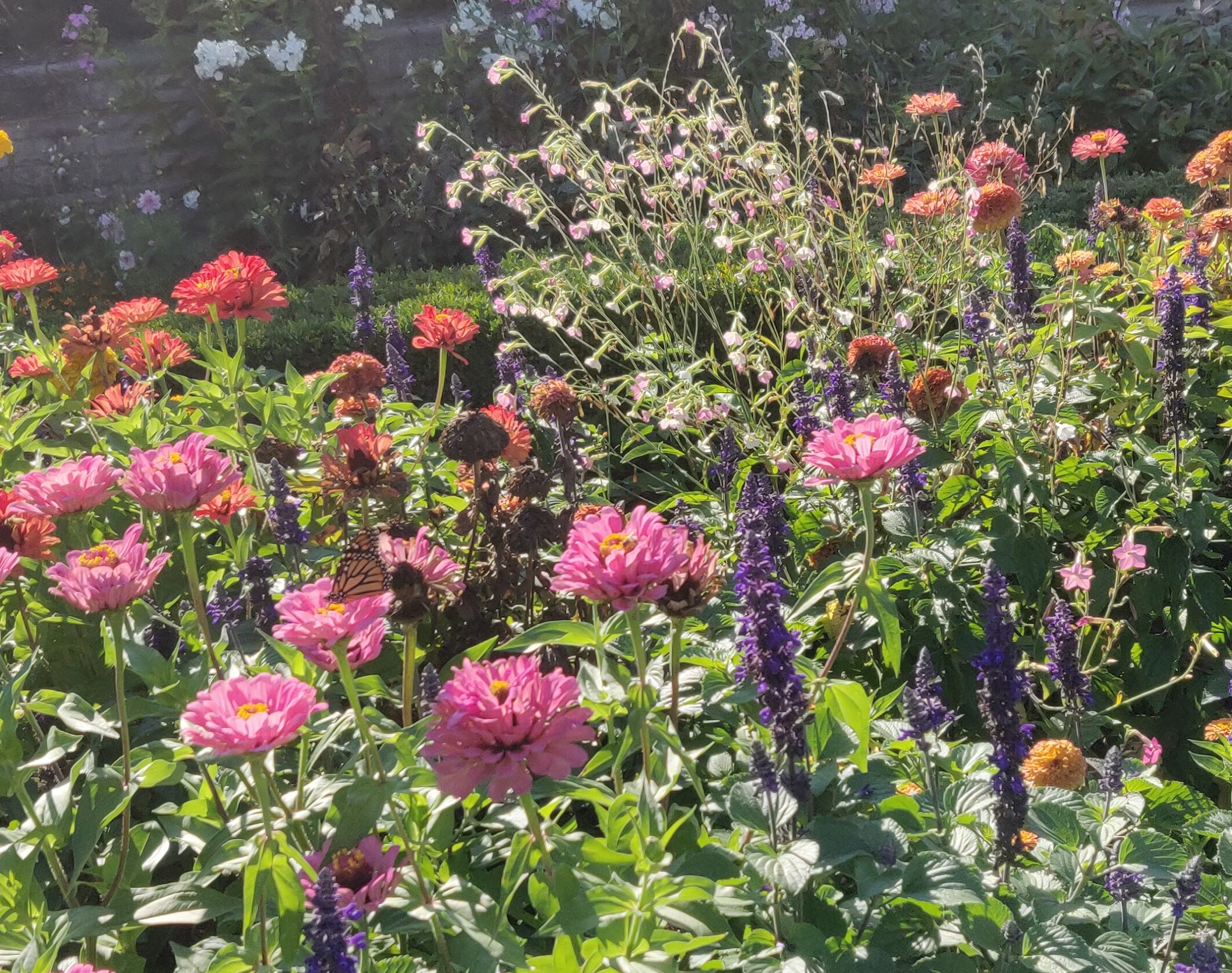
Cut back any tired-looking perennials, yellowed or dying stems, leaves, or flowers, e.g., lavender, penstemon, perennial geranium. Remove seed heads to control the spread of aggressive self-sowing perennials or to save seeds for winter sowing. Where possible, leave seed heads to feed birds in the late summer and fall.
Annuals
Pinch back old flower heads or lightly shear the tops to keep plants producing flowers.
Potted plants
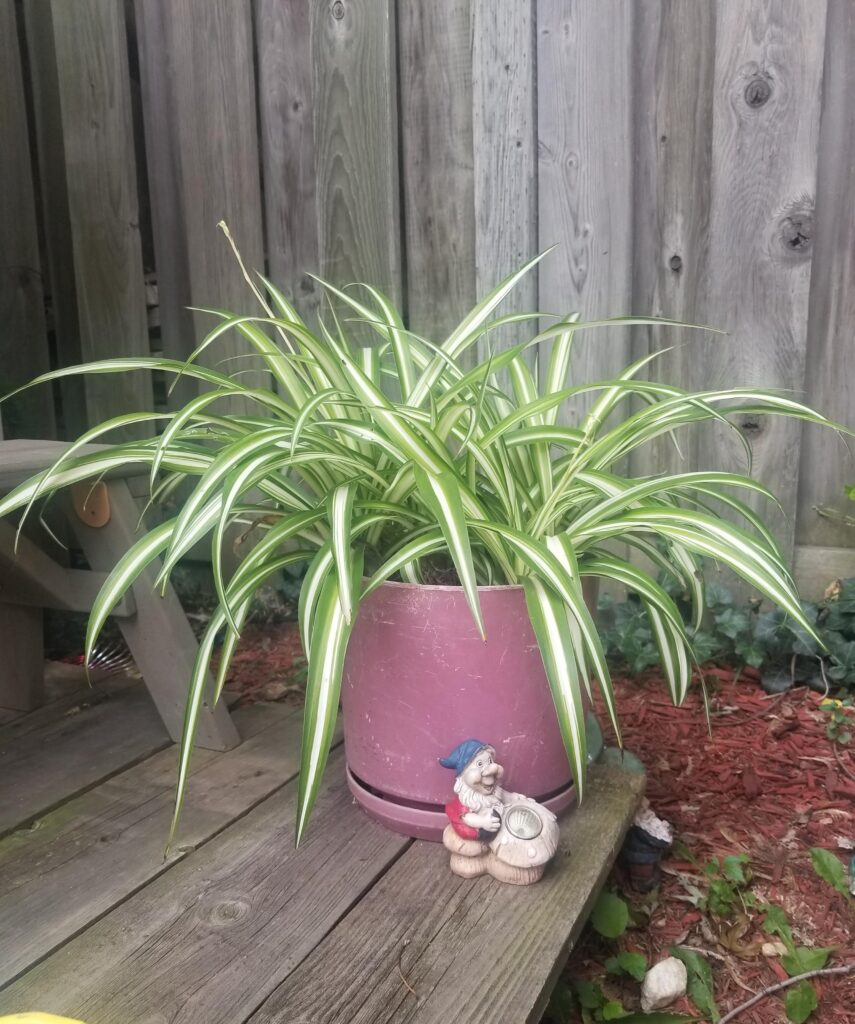
Potted plants and baskets may need more than one watering per day during hot weather. If plants wilt despite watering, gently tip them out to see if they are pot-bound and need a larger container.
Fertilize plants as needed using a slow-release organic product such as hen manure.
Veggies
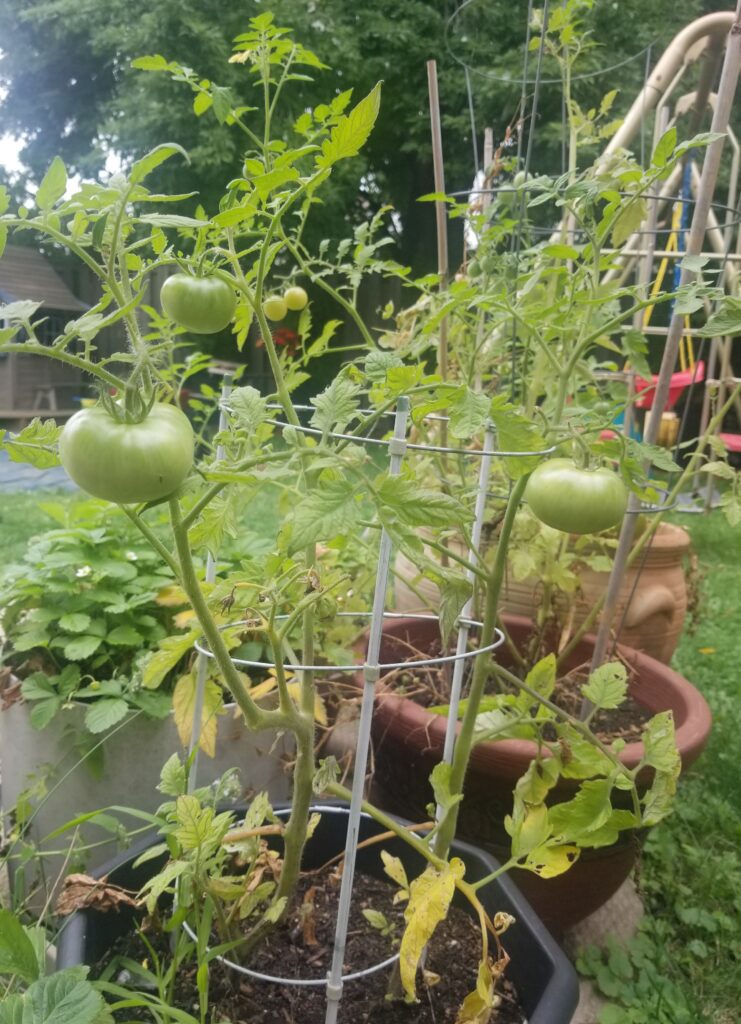
Water at ground level during dry or hot weather to reduce plant stress. Remove diseased and damaged leaves/fruit. Avoid high nitrogen fertilizers on tomatoes, squash and peppers as it can lead to blossom-end rot. Keep cucumbers, zucchini and beans picked regularly to keep plants productive. Harvest garlic and hang in a dry breezy area to cure. Sow bush beans for a late summer/early autumn crop (too late for pole beans). Seed late-season greens such as rapini, lettuce, kale, radishes, arugula, and mustard greens
for autumn crops and keep well-watered until established. Preserve surplus crops or donate to a food bank.
Trees
Water deeply during hot, dry periods; reduce soil compaction by using mulch or growing perennials or shrubs at the base, instead of lawn. Check for magnolia scale. Use a strong spray from your hose or a gentler spray from a pressure washer to knock the scale from your trees and allow ladybugs the chance to control them.
Lawn
Encourage deep, healthy roots by watering less frequently, but more deeply. Follow these cultural practices to have healthy lawns that use water-efficient practices.
Did you know that native plants can help fight climate change? Here’s why: carbon sequestration, flood and erosion control due to deeper roots Require fewer inputs like fertilizer, pesticides, mowing. Layered native plant gardening reduces heat islands.
— Claudette Sims, Halton Master Gardener
Weeds
Every weed pulled now is thousands of weeds you won’t have to deal with later! Removing flowers before they go to seed will greatly reduce the seed bank in the soil. Don’t add their flowers or seeds to compost. Watch for these August weeds: bindweed, purslane, creeping bellflower, thistle, burdock, black medick, dog strangling vine, yellow wood sorrel, buckthorn.
Pests
Before reaching for a pesticide, remember that leaf damage is often cosmetic, and holes in leaves mean your garden is alive! Most plants can tolerate some herbivory and many plants can produce chemical compounds to fight pests if you give them a chance. Leaving the “pest” for birds to eat supports our dwindling bird population. Welcome robins, crows, sparrows, blue jays, cardinals, and animals like raccoons, skunks, moles, and shrews to your garden where possible – they all eat Japanese beetles! Add wildflowers to attract beneficial spiders, assassin bugs, ants, ground beetles, predatory stink bugs, and tachinid flies to keep your garden in balance.
Earwigs like to hide in small, dark places so trapping is effective in reducing populations. Scatter rolled cardboard traps in problem areas and check daily. Remove trapped earwigs by shaking them into a pail of soapy water. Learn more about earwig management here.