
By Emily R. Zarevich, Local Journalism Initiative Reporter
World Mental Health Day on October 10 is an international holiday dedicated to raising awareness of mental health and encouraging conversations about mental well-being. Do we know how to recognize and identify our emotions when we are experiencing them? Do we have the skill set to manage them when we’re faced with problems, issues, or conflicts? And most importantly of all, are we effectively instructing the younger generation on how to manage emotions so they can someday smoothly transition to adult roles of responsibility and leadership?
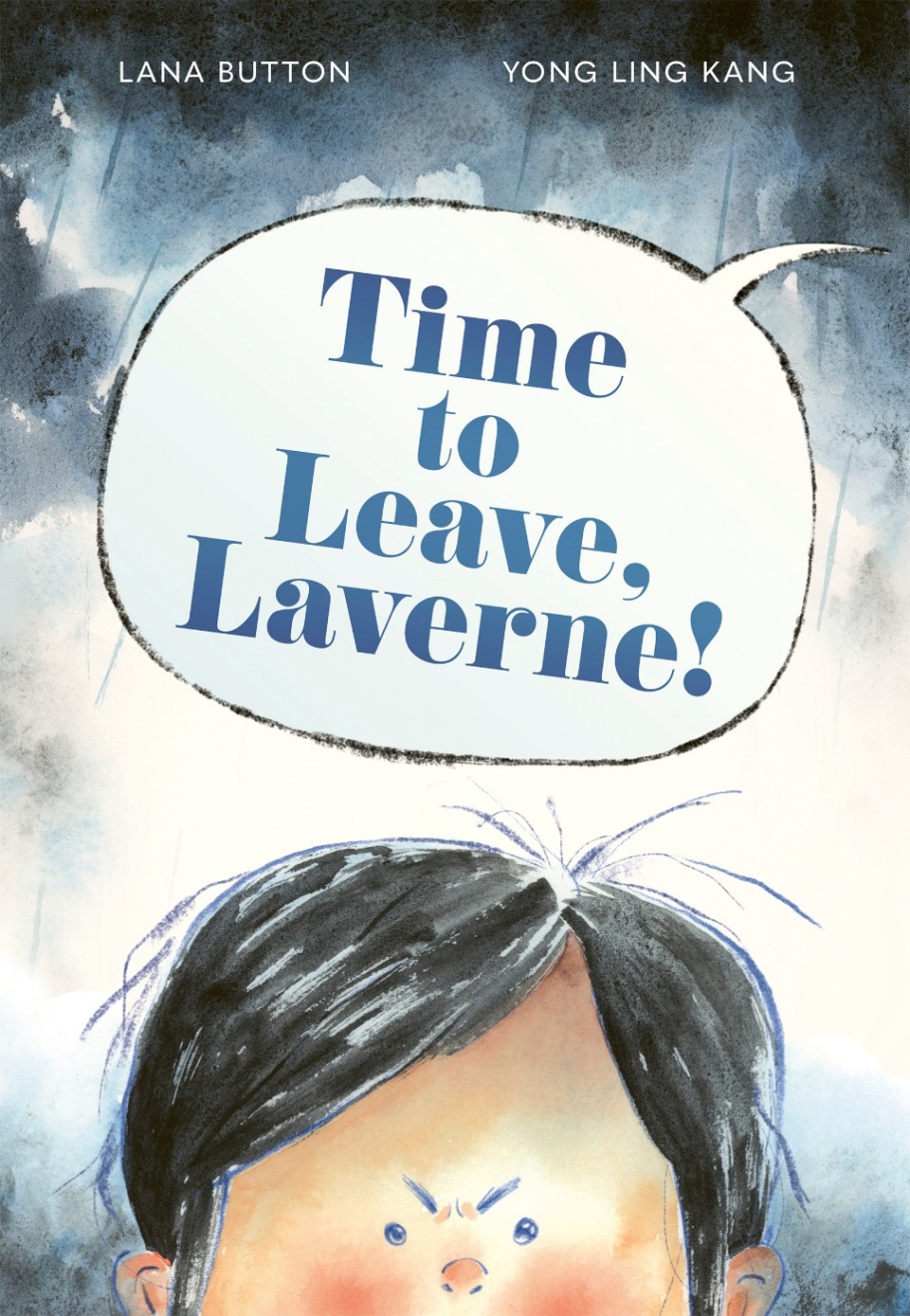
This year, Burlington-based author Lana Button wrote and published a book with OwlKids that offers parents and teachers an opportunity to sit down with a child or student and have an important conversation about experiencing emotions. Time to Leave, Laverne is a kindergarten-level picture book that was published on March 10, 2026, and carries an invaluable lesson about learning to live with feelings, which we all have as human beings. It is beautifully illustrated by Singapore-Toronto-based illustrator Yong Ling Kang, who renders the emotional journey of the book’s young protagonist in smooth, warm watercolours that reflect the weather-like changes of her volatile mood swings.
Laverne, a cheerful child with a lot of energy and interests, experiences the world in extremes of sunshine and rain. She is gloriously happy when she’s out and about with her family, at the library for reading time, at a restaurant for a meal, at the park for playtime, and especially at a birthday party with clowns and cake. She’s all high spirits and smiles…until it’s time to go home. Button uses strong adjectives to describe the shift.
“Laverne would twist into a thunderstorm — a cushion-flying, body-flailing, bolts-of-lightning THUNDERSTORM!”
Laverne is a small child. Frustration, rage, and exhaustion are all powerful emotions for her as she learns to navigate the world and have different experiences. Laverne has lovely parents who do their very best to manage their daughter’s tantrums and teach her various ways to calm herself down. Emotional regulation is a learned skill that requires practice and proper guidance. It’s also especially vital for parents to learn how to stay calm themselves, to set an example for their children.
“Dad reminded Laverne to take deep breaths when she was disappointed.”
The storyline of Time to Leave, Laverne also introduces strategies and accommodations that may be familiar to families of neurodivergent children. In one progressive sequence of illustrations, Laverne is shown experimenting with different popular tools, toys, and activities that can help children who struggle with emotional dysregulation. Laverne is taught to stretch and exercise to relieve feelings of strain. She’s taught to express herself through painting and art when she does not know how to translate her emotions into words. She’s also given headphones to dilute loud noises that overstimulate her.
These accommodations have varying degrees of success, but Button’s text emphasizes that these are only tools, not magic tricks. Laverne is still very young, and learning to control emotions is a lifelong process that grows and adapts with maturity. Paired with Kang’s colourful style, Button’s story is on par with Pixar’s Inside Out in that it makes emotional regulation relatable and accessible to all ages, rather than presenting it as a complicated psychological concept.
On World Mental Health Day, Burlingtonians can support local services that offer mental health support for children and youth, such as ROCK (Reach Out Centre for Kids), located at 471 Pearl Street. Woodview Mental Health and Autism Services also provides services for young people at 69 Flatt Road. Time to Leave, Laverne is available for purchase at local bookstores. Interested readers can also borrow it from Burlington’s libraries, along with Button’s other titles.