
By Claudette Sims, Halton Master Gardener
Nature-friendly spring tasks
Cutting back plants or removing dead leaves is largely an aesthetic consideration-most plants don’t benefit from it. Stems or leaves will slowly decompose and return nutrients to the soil as the temperatures warm, or will be covered by new growth. Leave plant material in place for nesting birds, especially milkweed stems. Assess your garden to determine priorities, e.g., plants that may need transplanting, gaps in garden beds, damaged fences, uneven paving, and moss buildup on paths. Remove garbage, fallen twigs, and debris. Check emerging spring plants and clear matted leaves as needed.
Lights out
Moths are essential to food webs. Keep them safe by turning off lights at night or using yellow bulbs or warm coloured LED lighting (2,000 to 3,000 Kelvin).
Pruning
STOP pruning oak trees now to prevent oak wilt disease. If you absolutely must prune your oak when it is in leaf, treat cuts with pruning paint. Note: This is the only situation where pruning paint is recommended.
Prune other trees, shrubs, and vines before leaves emerge. Use clean, sharp tools to remove dead, damaged, or diseased wood. Prune to improve air circulation and appearance if needed (but it’s not necessary). Cut back branches to just above another branch or a bud.
Keep a sharp eye out for cocoons and chrysalises when pruning. Lavender can be trimmed back when new growth starts to appear; prune back dead or overgrown stems to a vigorous bud. Do not over-prune.
Seeds
Time to start your tomato seeds if you haven’t already done so. Start tender annual flowers indoors for mid- to late-May planting. Seed cool-weather crops like peas, spinach, lettuce, beets, and radishes directly in the
garden as soon as the ground can be worked.
Lawn
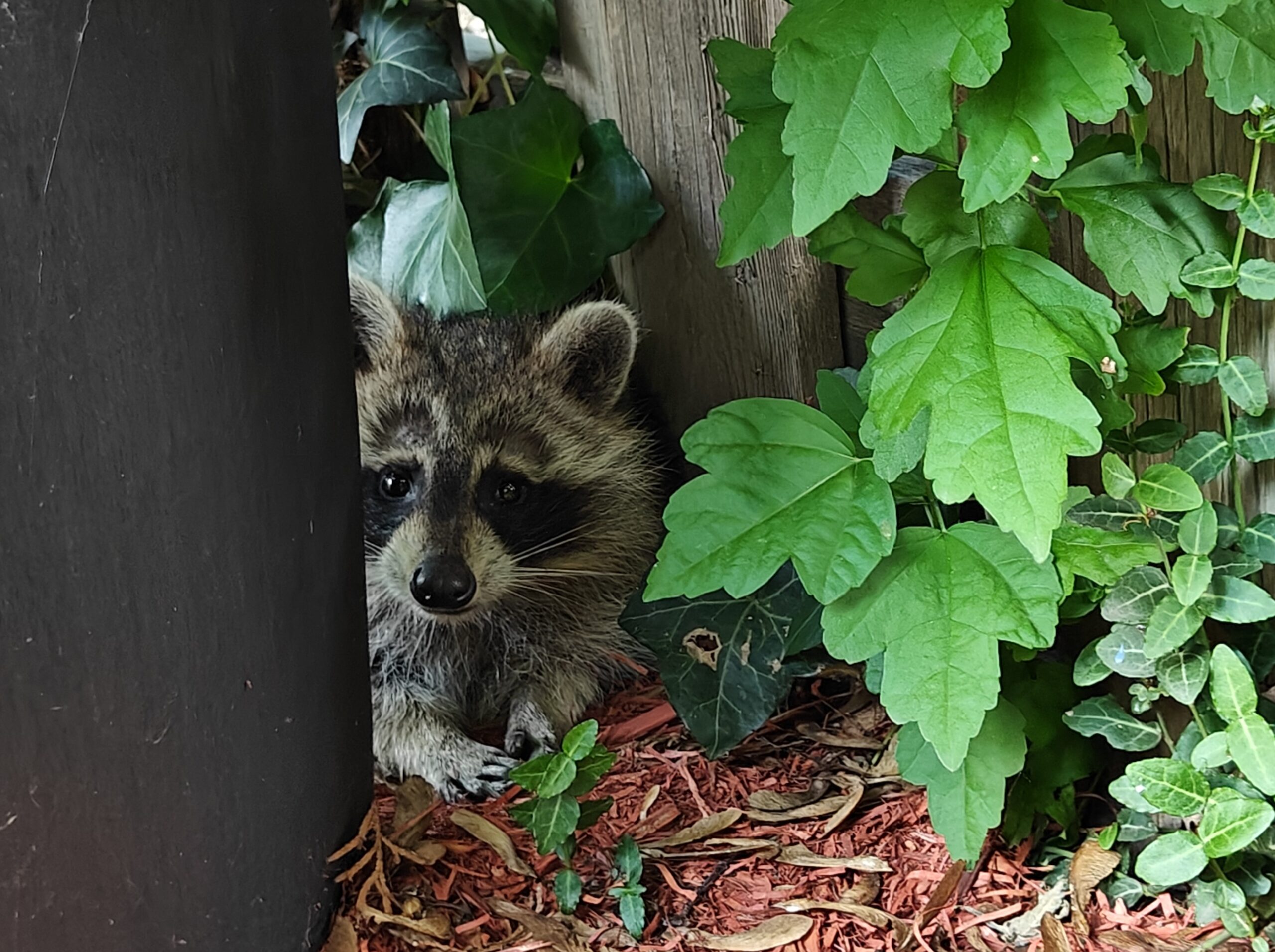
To reduce soil compaction, avoid walking on the lawn when it is wet or if you leave footprints. Remove leaves and debris, and replace grass where critters have lifted it or made holes. Remember that lawn damage from skunks, voles, or raccoons is usually cosmetic and can easily be repaired once the weather warms. Start removing weeds, but wait for warmer weather before overseeding.
Did you know milkweed stems are important to birds? Birds strip the filaments from the milkweed to build nests! Learn more about how you can help wildlife from Rebecca McMackin.
— Claudette Sims, Halton Master Gardener
Perennials
Divide or transplant perennials as growth resumes and soil is workable.
Invasive plants
Refer to this factsheet from the Invasive Species Centre to help identify and remove garlic mustard from your garden. Focus on 2-year plants that will produce seeds this year. Garlic mustard produces chemicals that can harm beneficial soil fungi critical for our maples and other native plants. Remove individual plants as they appear, or smother larger infestations for at least a season. Here are more factsheets on invasive plants created by Halton Master Gardeners:
Goutweed
Garlic mustard
Creeping bellflower
Invasive knotweeds: information and control
Celebrate Earth Day on April 22 by engaging in eco-friendly activities like planting trees or native flowers, participating in community cleanups, and reducing waste.