By Kezia Royer-Burkett, Local Journalism Initiative Reporter
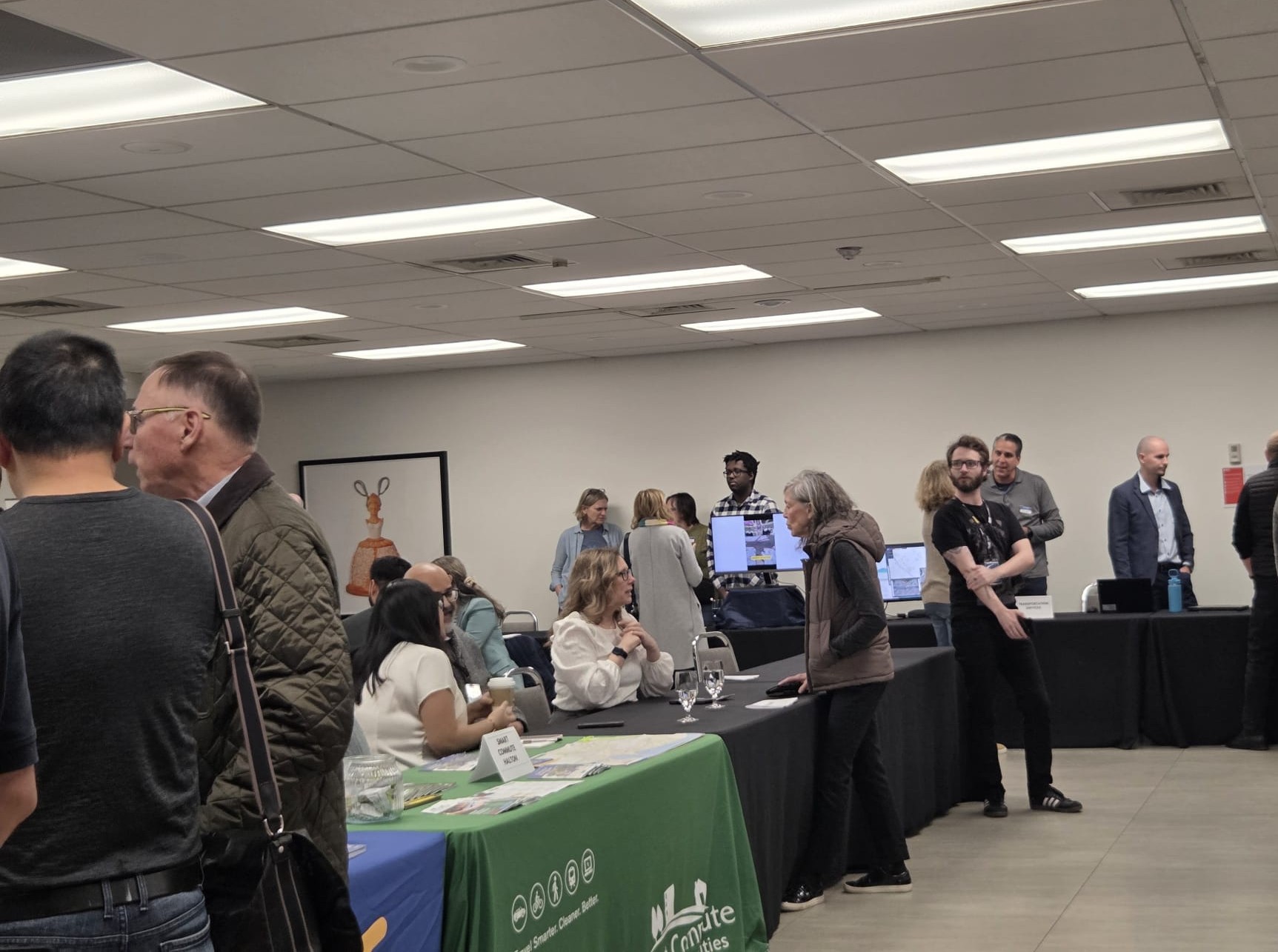
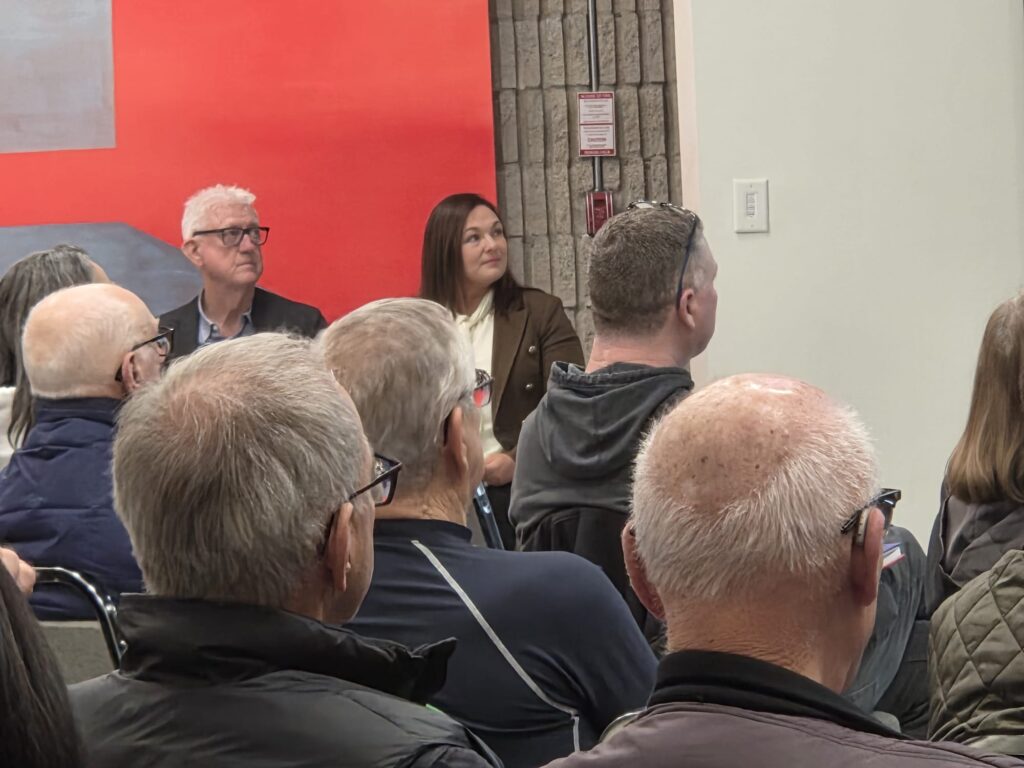
Residents, city officials, and transportation partners gathered at the Art Gallery of Burlington for the city’s first Community Traffic Forum on April 1, an evening that highlighted the growing strain of congestion while searching for practical, people-focused solutions.
Hosted by Councillors Lisa Kearns and Paul Sharman, the event invited the community into a broader conversation about how Burlington moves today and how it must evolve as the population grows.
Kearns opened the evening by grounding the issue in Burlington’s unique geography. “We’re surrounded, and in many ways, defined by major transportation corridors: the 403, the QEW, the 407, and especially the Skyway, and what happens on those highways directly impacts what happens on our local streets,” she said. “We don’t even control those corridors, but we do have influence, and we’re sharing that here tonight, and that influence grows stronger when we work together.”
She pointed to moments like the Skyway closure over Mother’s Day weekend as a clear example of how quickly congestion can bring the city to a halt, adding that long-term solutions must focus on prevention. “It’s about designing our city and our transportation networks to reduce congestion before it happens through smart planning, data-informed decisions, and integrated infrastructure. Mitigations are about responding to the pressures that we know will come,” Kearns said.
For Sharman, the issue of congestion is tied to decisions made far beyond Burlington’s borders. Reflecting on past infrastructure debates, he noted how rejecting a proposed highway across the Niagara Escarpment reshaped traffic patterns. “We have to also recognize that the choices we make always have implications,” he said. “Where did it come from, commuters doing what, cutting off the highway.”
He emphasized that Burlington’s traffic challenges are less about local density and more about its position within the regional network. “At no point has the province taken a look at the infrastructure renewal in this province for almost 30 years, and we get to pay the price, because we are at the end of the lake on a bend,” Sharman added.
That regional pressure is only expected to intensify. Materials presented at the forum highlighted Halton Region’s Integrated Master Plan, which forecasts that the population will grow to more than 1.1 million people and 500,000 jobs by 2051, underscoring the urgency of long-term planning.
Mayor Marianne Meed Ward was in attendance to hear directly from residents about their traffic concerns. Speaking previously at her Traffic Congestion and Related Road Safety Roundtable held in Burlington on March 23, 2026, Meed Ward said, “Through ongoing community engagement and the lived experiences of our residents, we know that traffic congestion is having a real impact on quality of life in Burlington. With upcoming QEW lane closures, increased travel tied to major events like the FIFA World Cup, and continued Niagara-bound traffic, it’s essential that we work collaboratively across all levels of government and alongside our community partners to advance solutions that keep people moving safely, reliably, and efficiently.”
While the problem is complex, part of the discussion turned to emerging solutions, including on-demand transit. Praveen Arichandran, CEO of Argo Transit, presented a model aimed at closing the gap between people’s homes and existing transit routes. “We believe that public transit infrastructure needs to become the most convenient way for people to get around,” he said. “There are more people in cities, more cars, taking up very limited road infrastructure, so we need to get more people taking our public transit networks.”
Arichandran described a system where riders can be picked up at their door by an electric, accessible vehicle and connected to major transit lines, all while using Presto to pay the fare. “We’re delivering a service where people can get an on-demand service where they’re getting picked up at their door, but they’re paying a standard bus fare,” he said, adding that the goal is to improve access to jobs, healthcare, education, and community while easing congestion.
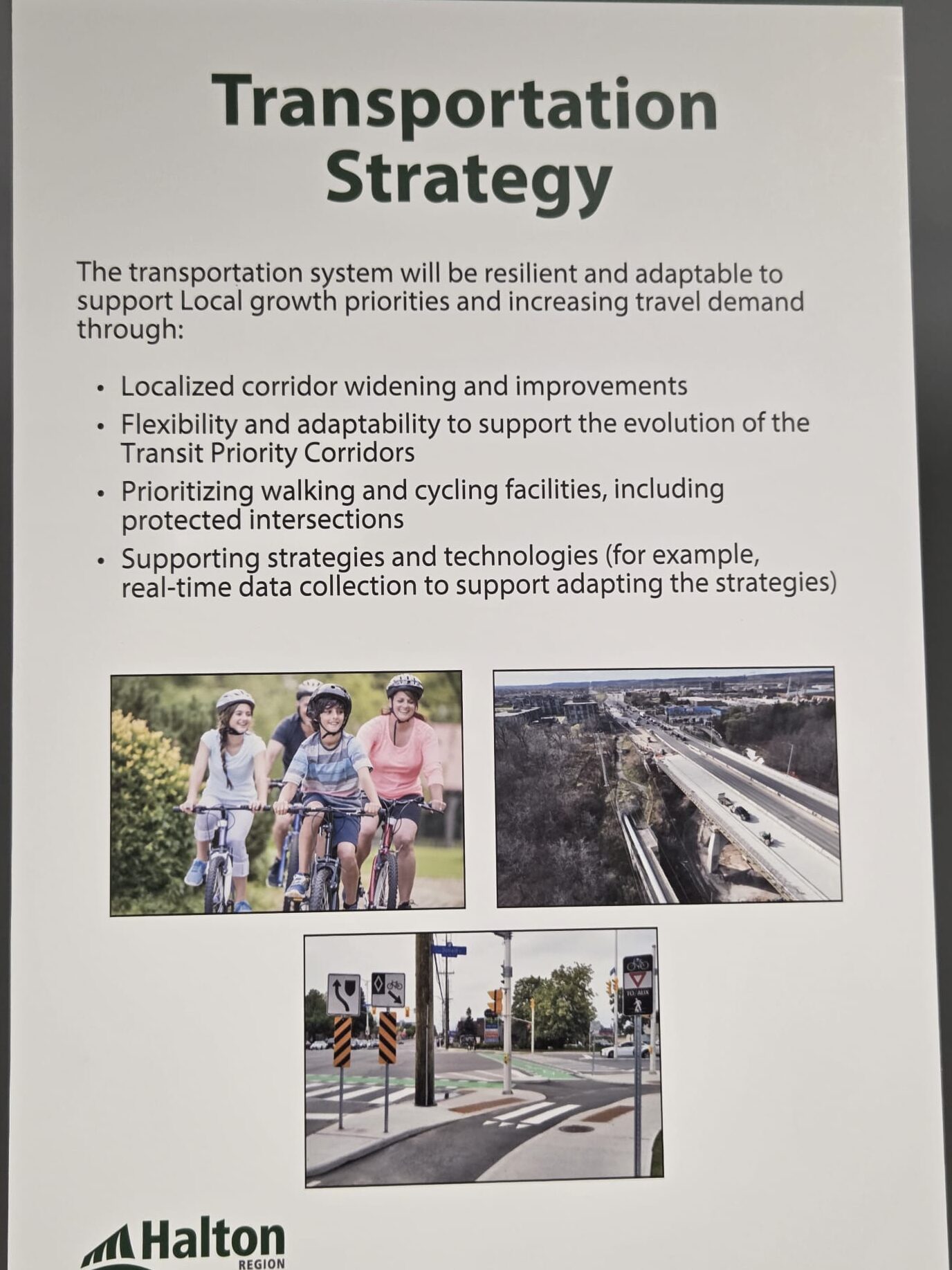
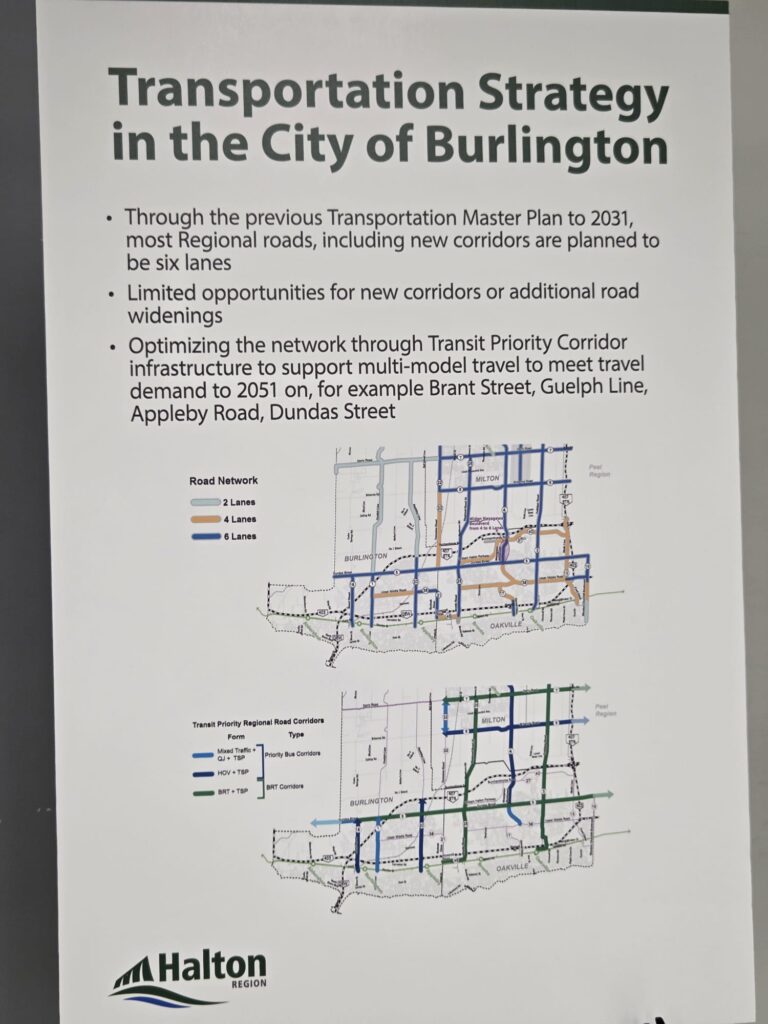
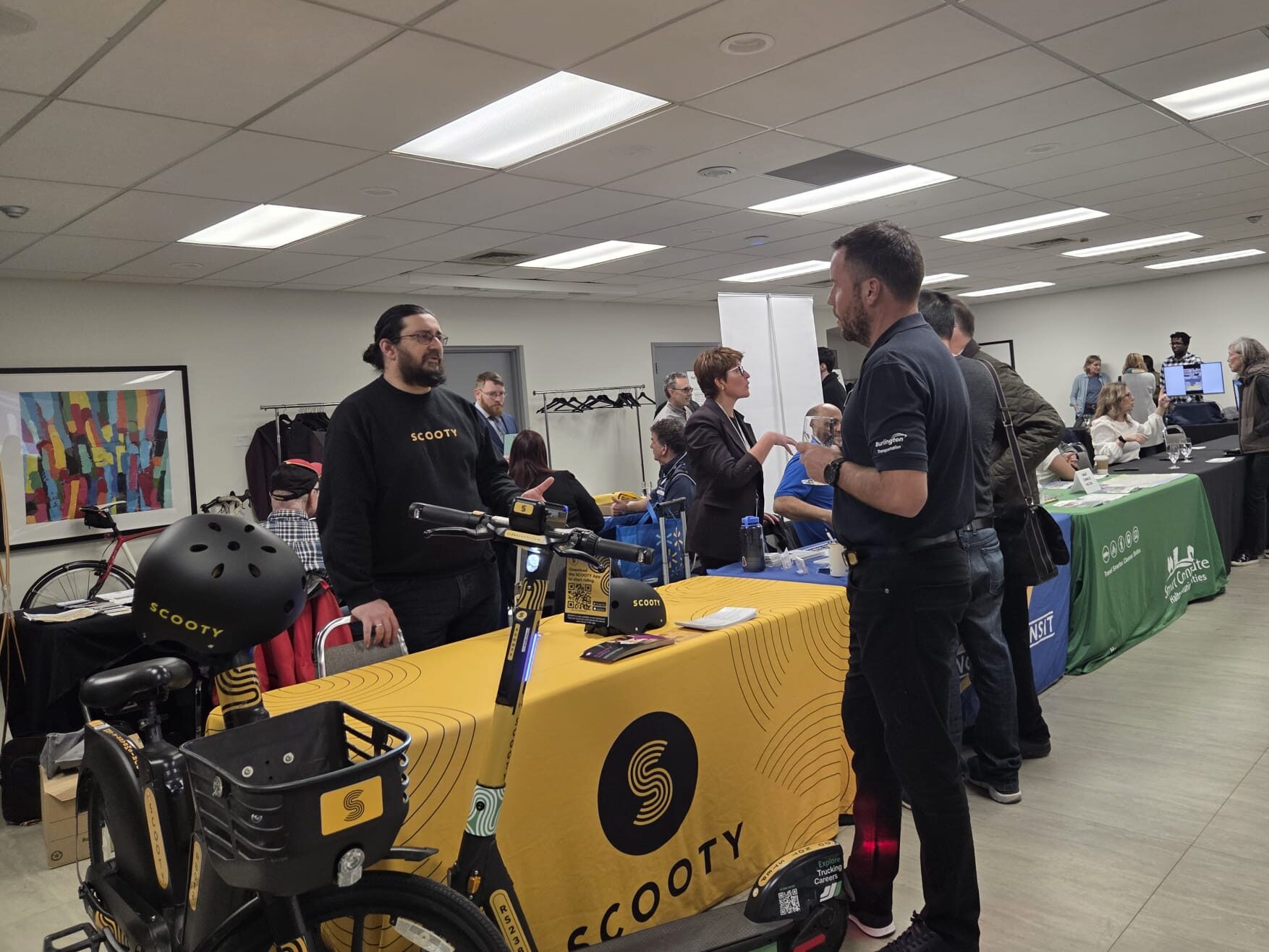
City staff and transit representatives acknowledged that no single solution will fix congestion, but emphasized that a combination of changes could make a meaningful difference for residents. Burlington Transit noted that while public transit cannot eliminate traffic entirely, increasing service frequency and exploring on-demand models could help reduce reliance on personal vehicles. Data shared at the forum showed that many trips within the city are under five kilometres, creating a real opportunity for residents to consider cycling or e-scooters for shorter distances, especially as safer, more connected infrastructure continues to expand. At present, the Centennial Trail remains the only location in Burlington where electric scooters and bikes can be legally used, and Halton Regional Police Service reminded attendees that regulations are in place, with e-bikes limited to speeds of 32 kilometres per hour and e-scooters capped at 23 kilometres per hour.
Still, the forum made clear that congestion in Burlington is not just a transportation issue; it is a quality of life issue shaped by regional growth, infrastructure limitations, and everyday commuting realities. Feedback from some attendees noted the length of the session and a desire for more time dedicated to public questions, a reminder that residents are eager to be part of the solution.
As Burlington continues to grow, the path forward will likely depend on a mix of approaches, smarter planning, stronger regional collaboration, improved transit access, and a shift in how people choose to move. The forum marked an important first step, not in solving congestion overnight, but in bringing the community together to confront it head-on.