
By Claudette Sims, Halton Master Gardener
General garden care
Empty or cover decorative pots and store them in a dry place to avoid damage from freezing. Turn off the water supply to the garden and disconnect hoses and accessories. Empty watering cans and hang garden hoses to drain for winter storage.
Stems and seedheads
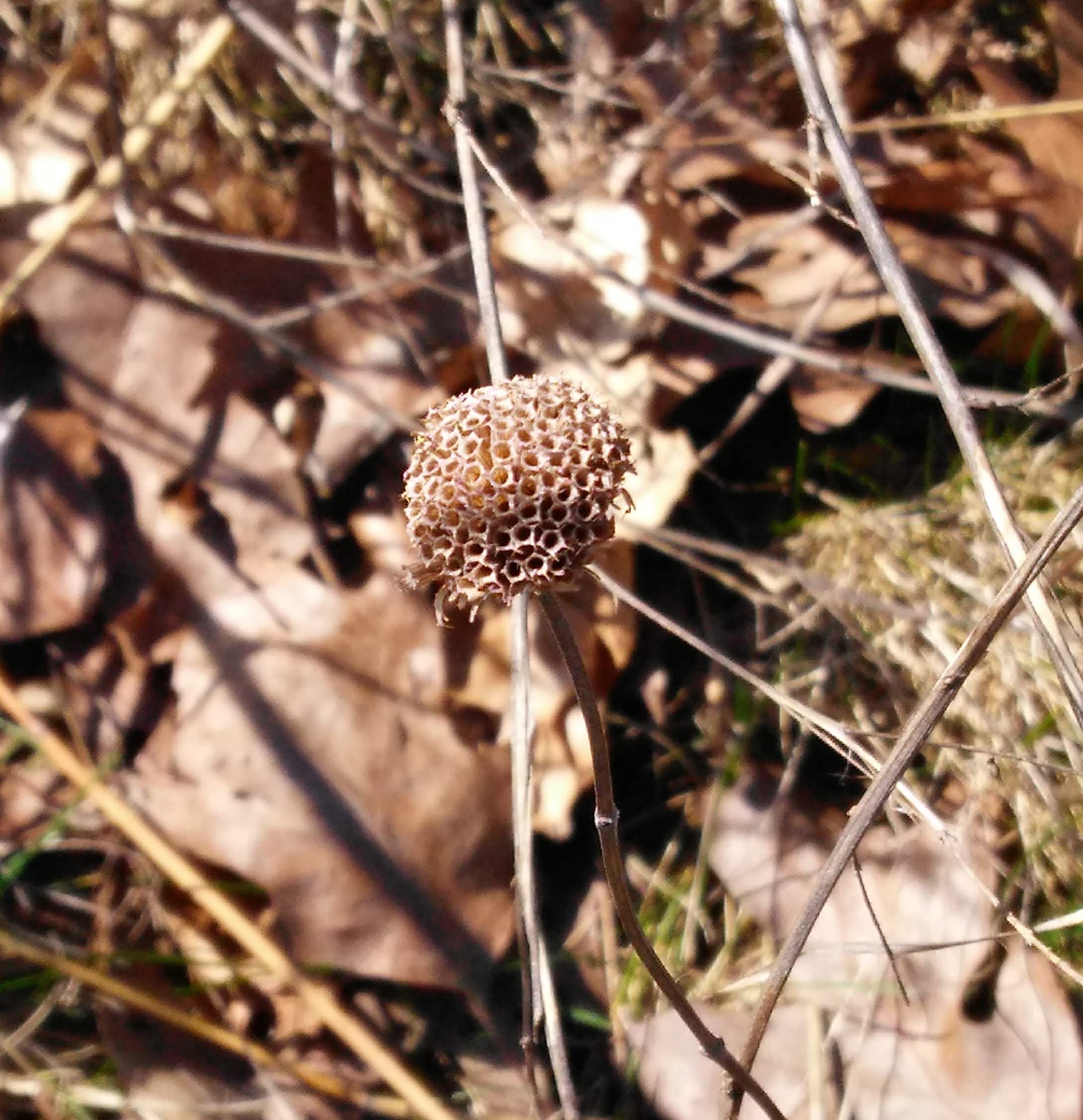
Leave seedheads and stalks intact over the winter. Stems offer shelter for cavity-dwelling native bees and beneficial insects, and also collect snow to insulate and protect plants. Seedheads provide food for birds and winter interest for everyone.
Bulbs
Plant spring-flowering bulbs as long as the soil is workable. You may also have time to divide and replant overcrowded spring bulbs. Water bulbs after planting.
Trees and shrubs
Check tree stakes and inspect any ties or wires to ensure they will not damage or girdle tree bark. Protect young trees and shrubs from damage with tree guards or chicken wire (60 cm/24“ high) or by using wire
baskets to cover very small trees or shrubs.
Bare soil
Protect bare soil from erosion and winter sun with a layer of organic matter, e.g., compost, leaves, straw or manure. Avoid tilling, which destroys soil structure and soil organisms and encourages weeds to germinate.
During the winter, the diet of chickadees shifts to about 50% insects and spiders and 50% plant matter — primarily seeds and berries. Goldenrod galls are a great source of insect protein for them. Leaving seedheads also helps chickadees to find needed insects.
— Master Gardener Claudette Sims
Houseplants
Check individual plants before you water. If the soil feels dry/hard or the plant “feels light” for its size, it is likely time to water. If the soil feels cool/moist or the plant “feels heavy,” wait and retest in a few days. Check for
pests weekly and treat appropriately. Increase lighting in low-light areas with grow lights or reflective surfaces. Grouping plants together and using a humidifier are now considered the most effective methods to ensure stable humidity.
Lawn and weeds
Rake or “mow” leaves and remove them to the garden beds. Leave some leaves uncut for beneficial insects and pollinators who overwinter in leaf litter. Keep on weeding as long as the soil is workable. When mowing is done for the season, clean the mower and sharpen the blades.
Invasive plants
Remove any invasive plant seedlings like multiflora rose, common buckthorn, and garlic mustard. Master Gardener Sean James shows you how to remove larger weed tree seedlings using needle-nose pliers (click here or see video below)! Continue to hand pull, rake or cut off weeds at ground level with a sharp spade or garden tool. Remove and dispose of seed heads to reduce the seed bank in your soil.
Seeds and winter sowing
Continue to collect seeds to sow or share. Here’s another great video from Master Gardener Sean James to simplify growing your own plants this winter (watch the video below).
2026 planning
Take notes for next year. What needs to be moved, divided, or pruned? Are plants located where you can enjoy their blooms? Do you have plants blooming from spring through fall? What plants should be replaced to better support biodiversity? Read about the 2025 Monarch Award gardens for inspiration and check our resources section to help you plan that perfect garden.
Check our October newsletter for any garden jobs that you may have missed.