By Claudette Sims, Halton Master Gardener
Pruning
Replenish your soil and provide nesting material for native birds by using the “chop and drop” method. Leave larger pieces of wood in the garden for wildlife, and consider leaving “snags” in place as long as it is safe to do so.
When you see your first bee flying, trim stems of perennials down to 20–60 cm (8–24 inches) and leave them until next year to allow bees to complete their life cycle. Prune Hydrangea arborescens (smooth hydrangea or “Annabelle”) before new growth appears by removing old weak stems and leaving about 1/3 of stems 30 cm long for structure and support.
For information about other hydrangea species, check out our easy-to-read factsheet! Take the mystery out of pruning clematis using this simple method: starting at the top of the plant, working down, cut out all deadwood on each stem until you reach a live bud. Secure vines as needed. Check out our clematis factsheet for detailed information about pruning specific clematis groups.
Prune fruit trees such as apple, cherry, plum, and pear before the flower buds swell. Remove any dead, diseased twigs and prune for an open shape. Pear trees generally don’t require pruning, except for shaping.
Cut and remove any red raspberry canes that bore fruit last year, as well as any weak canes and dead tips. Established blueberries require annual pruning to produce high yields. Prune out dead, broken, injured branches and remove weak canes and canes older than five years or larger than 5 cm. Check the soil pH every year or two and adjust if necessary using ammonium sulphate.
Get outdoors and enjoy nature! Check the Hamilton Naturalists Club calendar for fun activities during March. The Tropical Greenhouse in Gage Park has great events too!
— Halton Master Gardener Claudette Sims
Birdhouses
Clean and repair bird houses for spring.
Bulbs
Sprinkling blood meal or chicken pellets around emerging tulips may help deter deer and squirrel grazing.
Garden tools
Sharpen and prepare garden tools.
Lawn
Avoid working on the lawn when it is waterlogged to prevent soil compaction. Remove leaves, sticks, and debris. Our long winter snow cover may have caused snow mold in your lawn; this shows up as round patches. Gently rake out any matted grass or snow mold. Wait until warmer weather to repair and reseed the lawn.
Weeds and invasive plants
Spring is a good time to remove weeds before they seed. Invasive plants like periwinkle and English ivy are easily spotted, as many stay green through the winter. Make sure you remove all plant parts, including roots.
Houseplants
Give plants a spring cleaning by wiping dusty leaves with a soft wet cloth or giving them a light shower in your sink or bathroom; prune dead/leggy growth. Check if roots are circling the pot or growing out of drainage holes; move root-bound plants to a pot one size larger.
Increase water and feeding as plants start actively growing. Continue inspecting plants for pests like mealybugs, scale, and spidermites.
Amaryllis
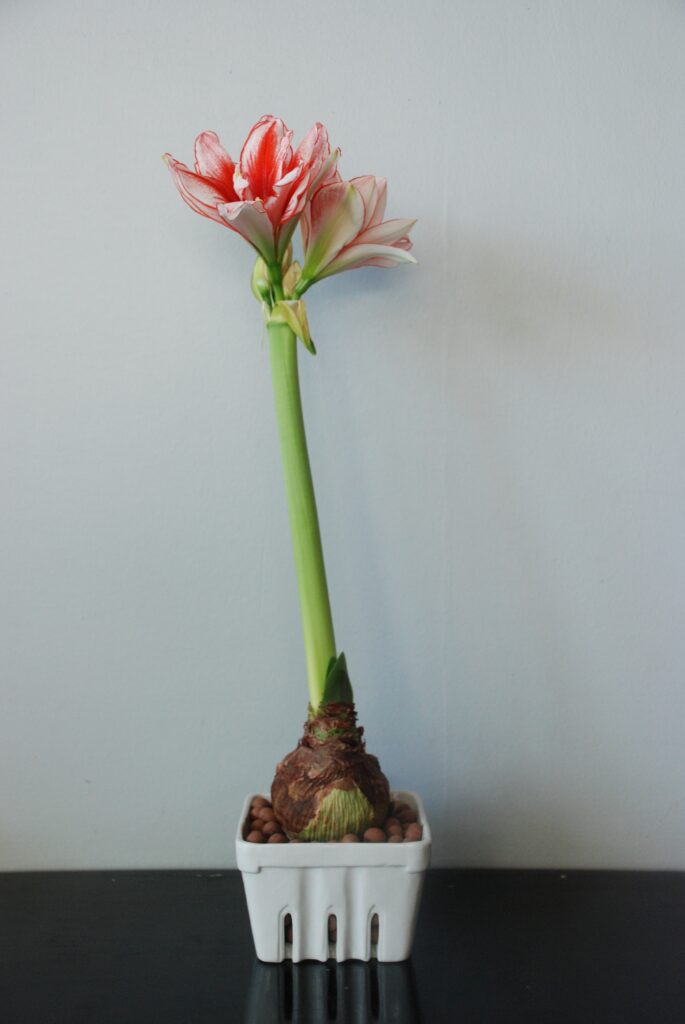
After the flowers have faded, cut the flower stalk to within 1″ of the top of the bulb. Give plants a maximum of sun and feeding to produce a large, healthy bulb and flowers for next year.
Starting seeds
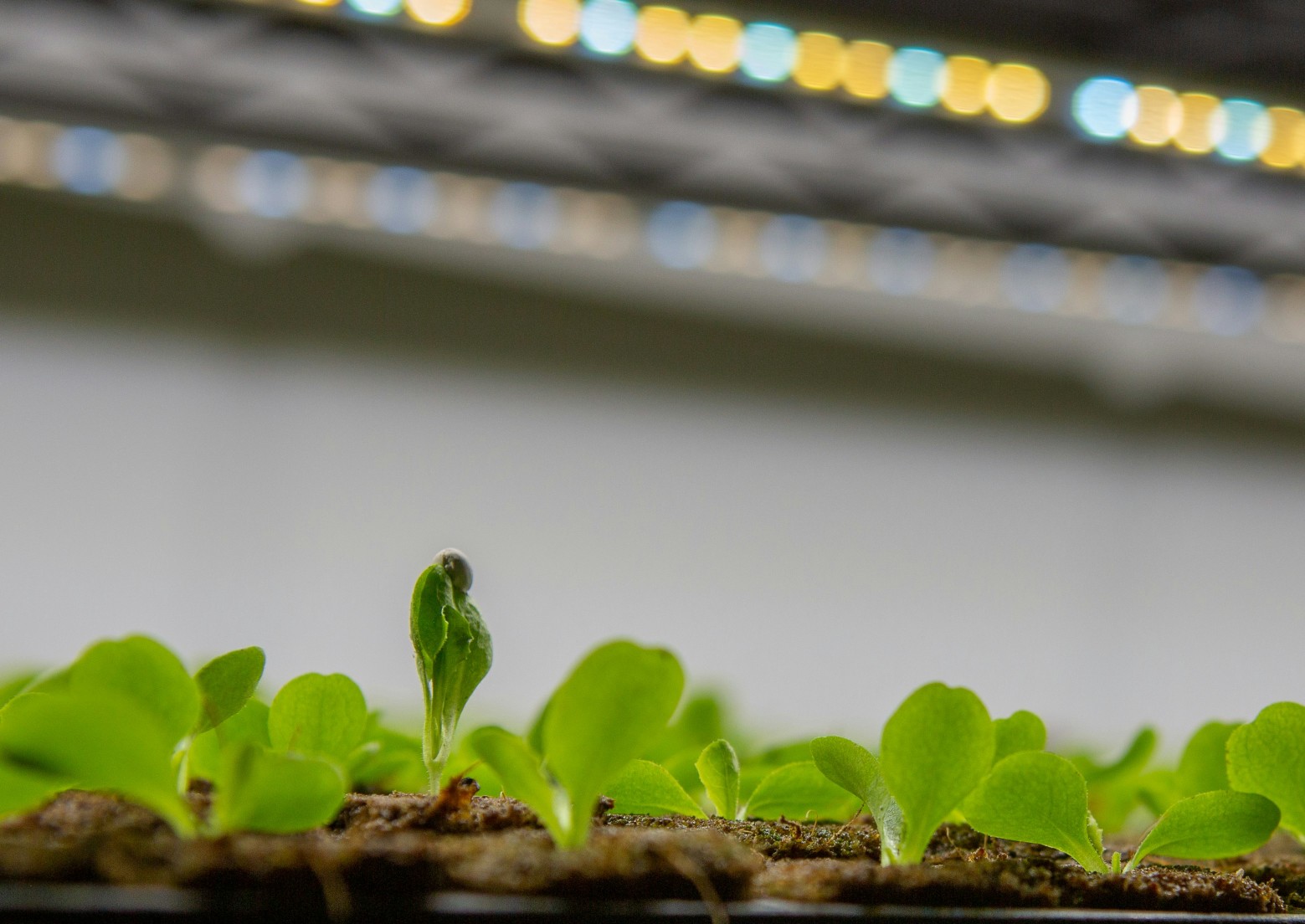
Beware of buying online seeds from outside of Canada. Many are not reliably sourced and may include invasive plants or plants that will become invasive. Find quality Canadian seeds at this Seeds of Diversity site. Consider starting seeds indoors to get a head start on your garden. Tomato seeds can be started towards the end of March or early April.
It’s been a long winter. Check out this spring countdown!