By Kezia Royer-Burkett, Local Journalism Initiative Reporter
Burlington Community Foundation (BCF) recently announced a major new initiative aimed at addressing one of the most urgent and complex issues facing Burlington and communities across Canada: the housing crisis. With affordability worsening, shelters operating over capacity, and more residents expressing concern than ever before, BCF has launched a new Housing Support Fund along with a community-wide campaign running from November 5 to December 31.
The goal is ambitious and timely: raise $50,000 to support two critical local housing programs from Wesley and Shifra Homes, while also establishing a permanent fund dedicated to housing support in Burlington. A donation of $25,000 from longtime Burlington residents and BCF fundholders Doug and Maryella Leggat has set the campaign on a strong footing.
“Housing is a complex issue, and there’s an urgent and growing need for housing assistance in Burlington,” said Megan Tregunno, CEO of Burlington Community Foundation. “Our Housing Support Fund is a response to that.”
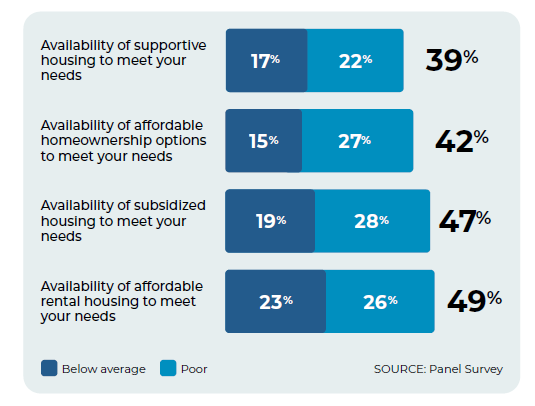
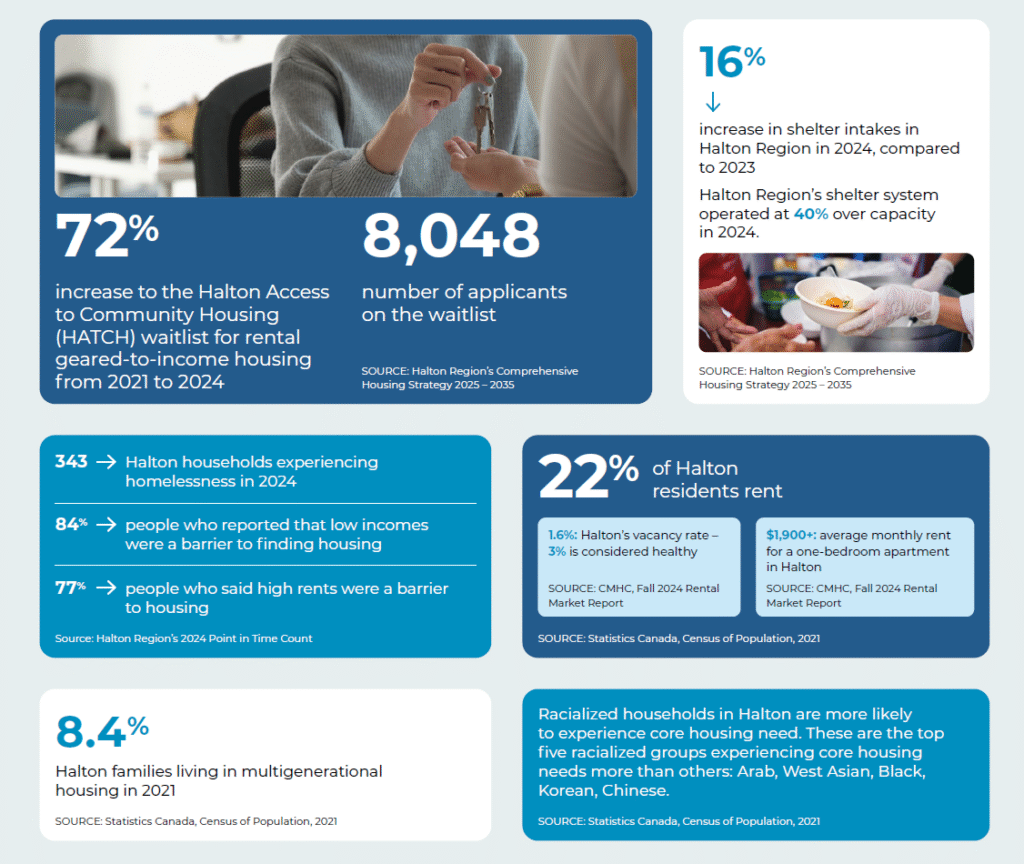
The need could not be more evident. According to BCF’s recent Vital Signs report, housing received a B–, one of the lowest scores among all indicators measured. Approximately four in ten residents rated housing availability and affordability as “good” or “excellent.” Dissatisfaction spans supportive housing, subsidized units, affordable rentals, and pathways to homeownership. Racialized households in Halton, including Arab, West Asian, Black, Korean, and Chinese residents, were found to be disproportionately affected by core housing need. Last year, Halton’s shelter system operated at 40% over capacity.
Half of the campaign’s goal will support Wesley’s Emergency Supportive Housing program. Wesley operates the only emergency shelter in Halton for families and single women facing homelessness. The shelter includes 43 private rooms, but as demand intensifies, the need for expanded flexibility grows.
“We are grateful for the support of the Burlington Community Foundation and the generosity of community members who understand the urgent and complex requirements around providing emergency housing support,” said Kristyn Bruce, senior director of housing and outreach services at Wesley. “Unfortunately, the need continues to grow. One way these funds will help Wesley is to add bunk beds to rooms at our shelter so that we can keep larger families together during an already traumatic time.”
Bruce said the shelter has shifted from strict 30–60 day limits to a more flexible model as residents struggle to find affordable housing or withstand long waitlists. While the Region of Halton provides core operating support, community philanthropy fills essential gaps, from replacing furniture to supplying essentials for families in crisis.
In a recent YourTV segment highlighting Halton’s housing strategy, featuring residents supported by Wesley (the full video is available on Wesley’s website), Jason Trout of Halton News reported that more than 340 people in Halton are currently experiencing homelessness. That figure includes individuals in shelters, transitional housing, those couch-surfing, and those who are unhoused. Homelessness is driven by a combination of mental health crises, addiction, low income, and the broader affordability crisis.
Behind the statistics are deeply human stories. One woman interviewed in the segment described how the Safe Beds program and shelter system saved her life after years of instability, poverty, and family trauma. “I was about to give up, I was at rock bottom of my life… but with my faith and their support, I managed to fight through it,” she said.
The second portion of funds raised will support Shifra Homes, Halton’s only maternity residence. The organization receives no government funding and relies entirely on community support to house and empower young mothers and their infants.
“Each year, the number of mothers and babies needing our support increases, and it is through community generosity and partnership that we can meet those needs,” said Nancy Romic, executive director of Shifra Homes. “These funds will help us provide housing, mental health, and nutritional support, as well as contribute to the continued support of mothers and babies as they move on from Shifra to their own residences.”
Young mothers who arrive at Shifra Homes often come from unsafe living conditions, chronic poverty, family breakdown, or situations where they lack support systems. Wraparound care, from mental health counselling to budgeting skills, helps them transition successfully into the community.
Beyond meeting immediate needs, BCF’s goal is to establish a permanent Housing Support Fund that provides grants annually. The long-term vision is a sustainable foundation for supporting housing programs across Burlington as the landscape continues to evolve.
Through the Housing Support Fund, residents, businesses, community groups, and faith organizations can amplify their impact by working together. Donations can be made through holiday giving, employee campaigns, local fundraisers, and even in honour of loved ones.
To join the effort and support BCF’s $50,000 initiative, you can donate via BCF’s Giving Hub, pay by cheque to Burlington Community Foundation, contribute through a donor-advised fund, or make a credit card donation by calling 905-639-0744 ext. 1. Businesses, families, or groups looking to get involved can contact info@burlingtonfoundation.org or 905-639-0744.