By Kezia Royer-Burkett, Local Journalism Initiative Reporter
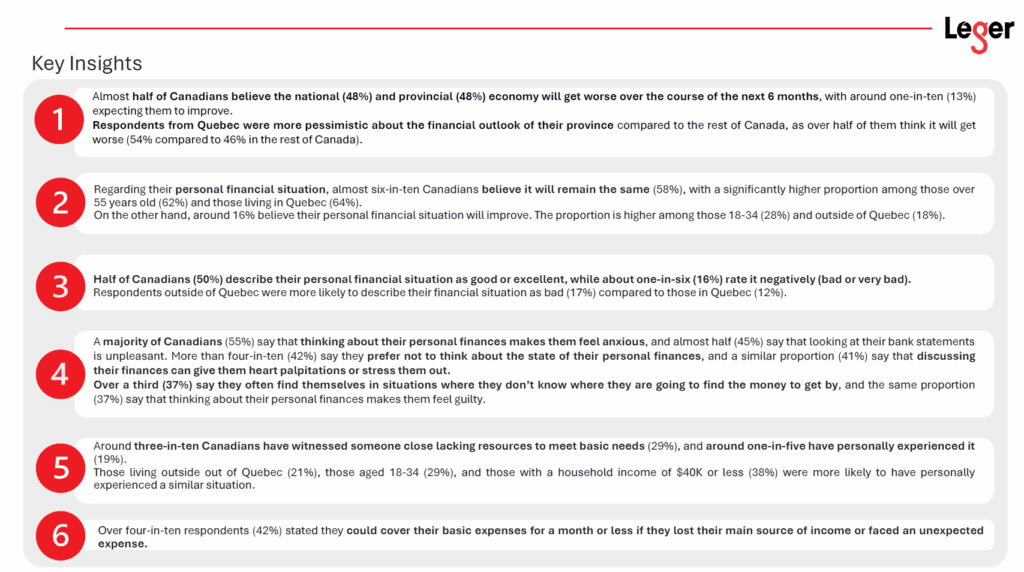
The recently-released Financial Anxiety in Canada report by Léger and United Way Centraide Canada reveals that more Canadians are living paycheque to paycheque and are just one unexpected expense away from financial crisis. As the cost of living continues to rise, community leaders across Halton and Hamilton are calling for coordinated action to build economic resilience and stability in the Halton and Hamilton regions.
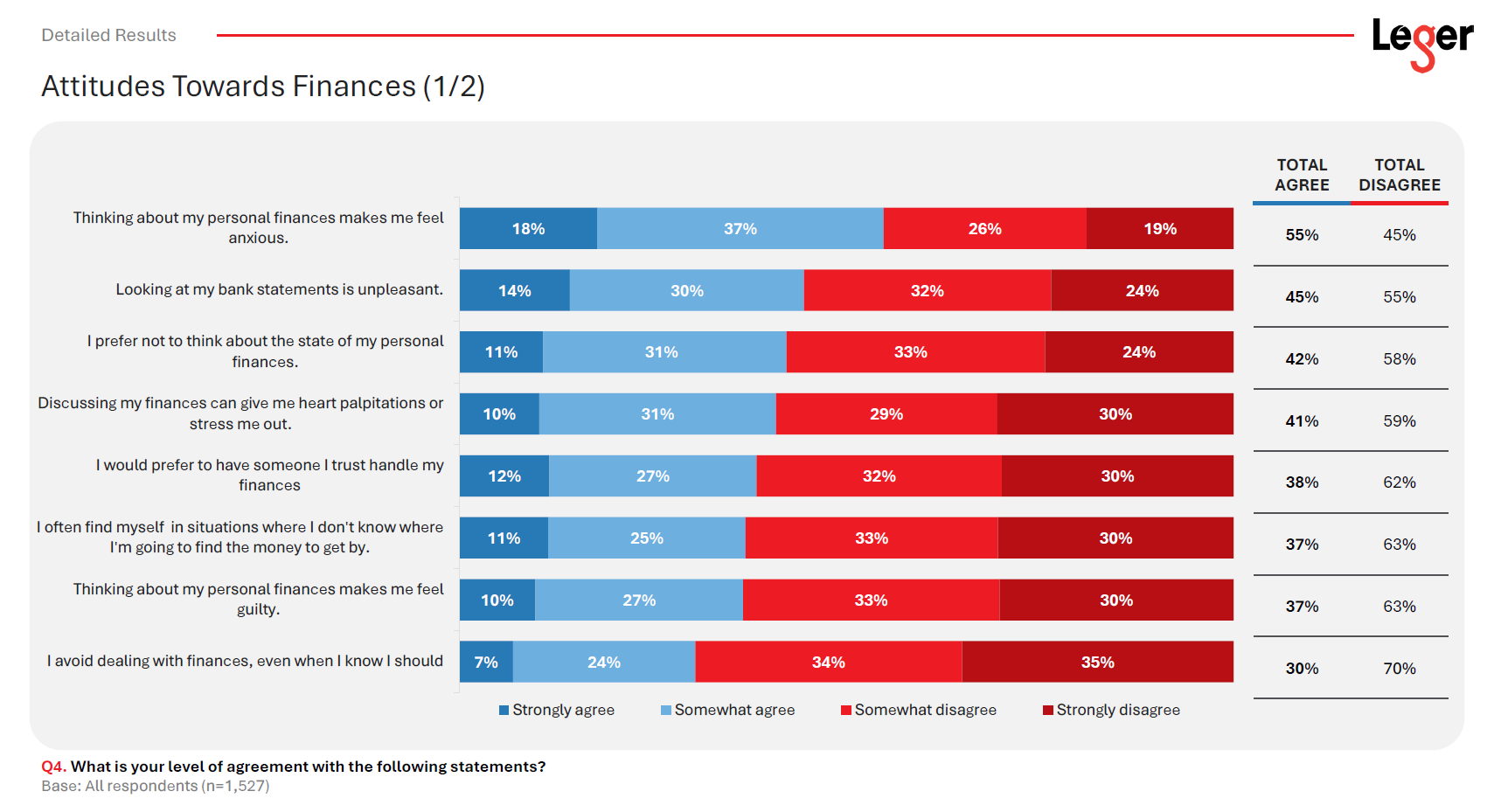
Data for the report were collected in September of this year from 1,527 Canadians aged 18 and over. The findings reveal that more than half of those surveyed — 55% — feel anxiety due to their personal finances, with 41% saying that they feel physical stress symptoms when speaking about finances. Trouble sleeping, family conflict or tension, and difficulty focusing at work or school were also frequently reported in those surveyed.
United Way Halton and Hamilton (UWHH) offered local statistics to highlight how the national survey results may also be representative of the situation closer to home. They note that 1 in 8 Halton residents and 11% of Hamilton residents live below the low-income measure, and child poverty is at 12.6% in Halton and 13% in Hamilton. In addition, food insecurity and housing instability are increasing, a pattern that has continued since the pandemic. In Halton, the situation is exacerbated by a high living wage: to cover basic expenses in Halton, one must have a wage of at least $26/hour. Ontario’s minimum wage, which increased last month, is only $17.60/hour.
Tom Cooper, director of the Hamilton Roundtable for Poverty Reduction, says that the most effective step municipalities can take is to ensure residents earn enough to live with dignity.
“The simplest and most effective step is to make sure people earn enough to live on. When people earn a fair wage, they spend locally, build stability, and rely less on emergency supports,” says Cooper. “Hamilton’s new living wage rate will be released next week,” he adds, referencing the Ontario Living Wage Network’s annual update.
United Way Halton and Hamilton President and CEO Brad Park agrees that local governments play a vital role in helping families stay afloat.
“Local and regional governments can make a real difference for residents living paycheque to paycheque by strengthening the programs that individuals and families rely on when they need help the most,” says Park. “Food programs, housing help, transit subsidies, and mental health services can prevent a short-term setback from becoming a long-term crisis. Governments can also reduce barriers by simplifying access, coordinating services, and ensuring supports reach those who need them most.”
Park says collaboration between different levels of government is key to addressing the growing financial strain.
“Municipal programs and provincial supports can work together more effectively by focusing on how individuals move through and interact with the entire support system,” he explains. “A systemic approach looks beyond isolated programs to address the connections between food security, housing, childcare, income supports, and health. By aligning policies, creating shared intake points, and improving data sharing, both levels of government can reduce duplication and close service gaps.”
Cooper adds that without updated provincial policies, local governments are left trying to fill deep cracks in the system. “The city runs Ontario Works and knows the incredible challenges people are facing living on such woefully inadequate incomes,” he says. “The provincial government sets social assistance rates and has kept Ontario Works frozen at $733 a month since 2018 — relegating people on the program to desperate poverty.”
For families facing immediate hardship, both Cooper and Park highlight the growing importance of community support.
“In our region, families rely on food access programs such as Food for Life and Neighbour to Neighbour,” says Park. “For households struggling with rent or housing instability, supports like Wesley Urban Ministries, YWCA Hamilton, Home Suite Hope, and Halton Women’s Place offer shelter, transitional housing, and financial navigation assistance, to name a few.”
Cooper points to Hamilton’s Financial Empowerment and Tax Help Program, delivered by the Social Planning and Research Council, as a model for effective, accessible support.
“This program is a lifeline, offering free, year-round tax filing and benefits navigation for people living on low incomes,” he says. “Because so many federal and provincial benefits depend on filing taxes, this support can make the difference between being housed or not.”
Park also emphasizes that financial strain often shows up as mental health distress. “Money stress is one of the leading causes of anxiety,” he says. “Mental health services in Halton and Hamilton can better support clients by addressing financial stress as part of care. Embedding financial counselling or benefit navigation into counselling programs helps reduce anxiety and builds stability. Training front-line staff to identify money stress and connect clients to trusted local resources ensures people get both emotional and practical help.”
When asked how nonprofits can continue meeting growing needs, both leaders point to the importance of sustainable funding and fair wages.
“Governments, funders, and donors can help by investing in multi-year, predictable funding that allows agencies to plan ahead and adapt as needs change,” says Park. “Supporting shared service models, data systems, and community partnerships helps nonprofits work together more efficiently. Investing in employee well-being and training ensures front-line workers have the tools and resilience to continue meeting urgent community needs with compassion and expertise.”
Cooper adds that paying nonprofit employees a living wage is critical to sustaining the sector. “If we expect them to do the heavy lifting, we need to give them the tools and trust to plan long-term,” he says. “Paying a living wage ensures those employees feel valued and can contribute fully.”
Both Park and Cooper point to local partnerships as a hopeful sign of progress.
Cooper notes that “the Hamilton Roundtable for Poverty Reduction, Social Planning Council, advocates at the city, and health teams are working together to make sure eligible residents don’t miss out on government funding. If we get this right, it could mean as much as $30 million a year flowing into Hamilton’s economy directly to people who need it most. That’s community impact in real dollars.”
Park and Cooper agree that meaningful change requires empathy and openness about the realities of financial hardship.
“Start by talking honestly,” says Cooper. “Most of us have faced financial stress at some point — it’s nothing to be ashamed of. When people share their stories, it builds empathy and reminds us that poverty is a policy choice, not a personal failure.”