
By Claudette Sims, Halton Master Gardener
Fall garden management
Leave the leaves in your garden-they are literally called “leaves”! Store any excess leaves in bags or piles to use as mulch in spring. Leave plant stems and seed heads for native bees and birds. Clean up your shed, garage, patio, paths, etc. Donate unused tools and repair, recycle, or throw away broken items. Drain and store hoses and turn off the water supply. Clean and store/cover pots, watering cans, etc., to prevent cracking during freeze-up. Cover ponds with netting before leaf fall or remove leaves in the pond with a bamboo rake.
Perennials
Divide or transplant overcrowded or underperforming perennials as the weather cools. Make sure to water the new divisions well. For species-specific instructions, consult this edited list (note that invasive plants have
been identified).
Trees
Mulch young trees with wood chips. To reduce rodent and rabbit damage, use tree guards or chicken wire and trim grass around the tree. Continue to water until freeze-up.
Feed the soil
Cover bare soil with organic matter such as compost, leaves, straw, mulch, or manure to replenish nutrients and prevent erosion and loss of moisture. Leave some soil bare for polyester bees!
Tender bulb overwintering (e.g., caladium, calla lily, canna, dahlia, elephant ears, gladiolus)
When the foliage dries or after the first frost, dig up plants, being careful not to damage the bulb. Clean off soil and dry bulbs for 1 to 3 days. Inspect for insects or disease. Store dried bulbs in a breathable container such as a cardboard box or leaf/paper bag. Arrange bulbs so they are not touching, adding 3–6 cm (2–3″) of sand, vermiculite, sawdust, or wood shavings between layers. Label and store in a dark location at 4–7º C.
Did you know your fall garden can ‘grow’ insects? Rake or blow leaves into garden beds to provide essential habitat for many butterflies and moths. Provide brush piles for Mourning Cloak Butterflies to survive the winter. Soil detrtitivores will recycle your leaves and organic matter into fertile soil.
— Halton Master Gardener Claudette Sims
Garlic
Plant from the end of October to mid-November, up until the ground freezes. Complete details here!
Houseplants
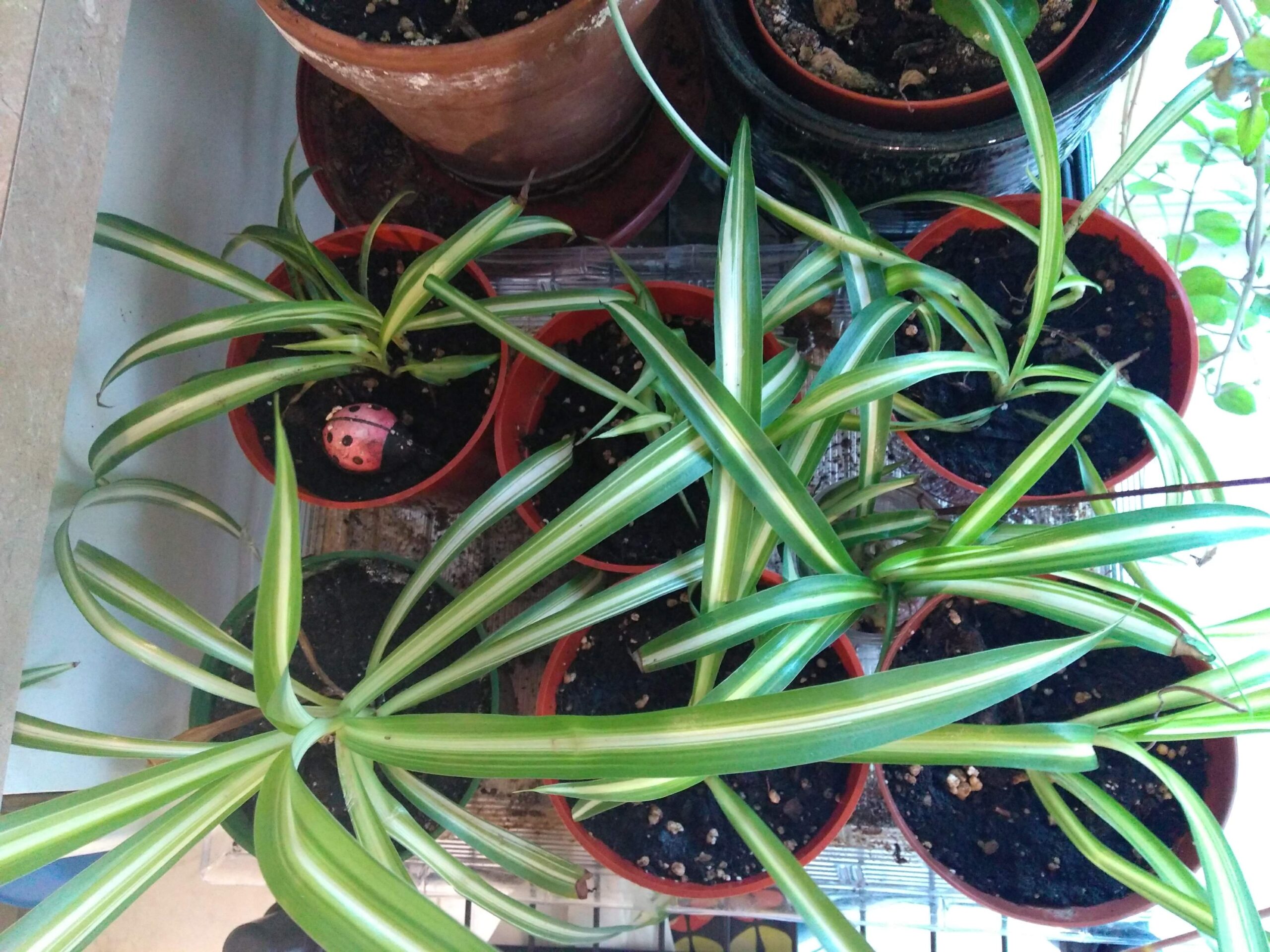
Move houseplants indoors or take cuttings and restart them. Decrease watering as the days become shorter. Check for pests weekly.
Lawn and weeds
Rake most leaves from the lawn and remove them to garden beds to support foraging birds, animals, and insects who overwinter in leaf litter. Keep on weeding as long as the soil is workable. When mowing is done for the season, clean the mower and sharpen the blades.
Seeds
Continue to collect seed for next year’s garden. Prepare containers for winter sowing of perennials. Grow your own butterflies by sowing seeds of their larval host plants.
Food for all!
Plan to add at least one of these 12 edible native plants to your garden to feed yourself and the life in your garden.
Have a happy and safe Hallowe’en!