By Claudette Sims, Halton Master Gardener
Perennials
Stake and support tall plants (e.g. peonies, sunflowers, delphiniums). You can give certain perennials a “Chelsea chop” (e.g. ironweed, asters, goldenrods, monarda, phlox) to keep them shorter and sturdier, and encourage more stems and blooms.
Veggies and annuals
Stake or cage vegetables like tomatoes and beans as needed. Avoid blossom end rot by watering tomatoes regularly. Mound potatoes to maximize production and protect tubers from sun exposure. Direct sow warm-season veggies such as corn, beans, cucumbers, and squash, and flowering annuals such as nasturtiums, marigolds, and cosmos. Grow herbs near the kitchen for easy access. Plant invasive mints and oregano in containers to contain their spread.
Weeds and invasives
Do weekly rounds of your garden to remove weeds and invasive plants. Use this ID guide for weedy lawn and garden plants. Note that some native plants are included in many “weed” guides. Use a line trimmer to keep weeds under control on bricked areas or driveways — they are also handy for trimming the edge of a garden bed!
Spring bulbs
Pinch off tops to prevent spent flowers from going to seed. When leaves turn yellow, they can be removed, and bulbs can also be lifted, divided, and replanted if too crowded. Divide fall crocus bulbs in June or July once the leaves have died down.
Pests
Whenever possible, resist the urge to reach for a pesticide so that predatory insects have a chance to feed on insect pests. Japanese beetles appear in June. Hand pick, knock into a bucket of soapy water, or use a hand vacuum to suck them up! Aphids can be squished or knocked off plants using a strong spray from your garden hose. Make this totally non-toxic mosquito trap that will attract female mosquitoes and reduce overall numbers.
Reduce earwig numbers with traps to leave in the garden where earwigs are present, e.g. paper rolled up and secured with masking tape. Each day, tap the paper straw against a bucket of soapy water to empty the trap, then return to the garden. Replace the traps and repeat.
Squash bug control: all you need is duct tape and this cool video (click here or watch above)! Inspect boxwood for pests like Box Tree Moth (BTM) on a weekly basis. Watch this BTM training video (click here or watch below) to learn more.
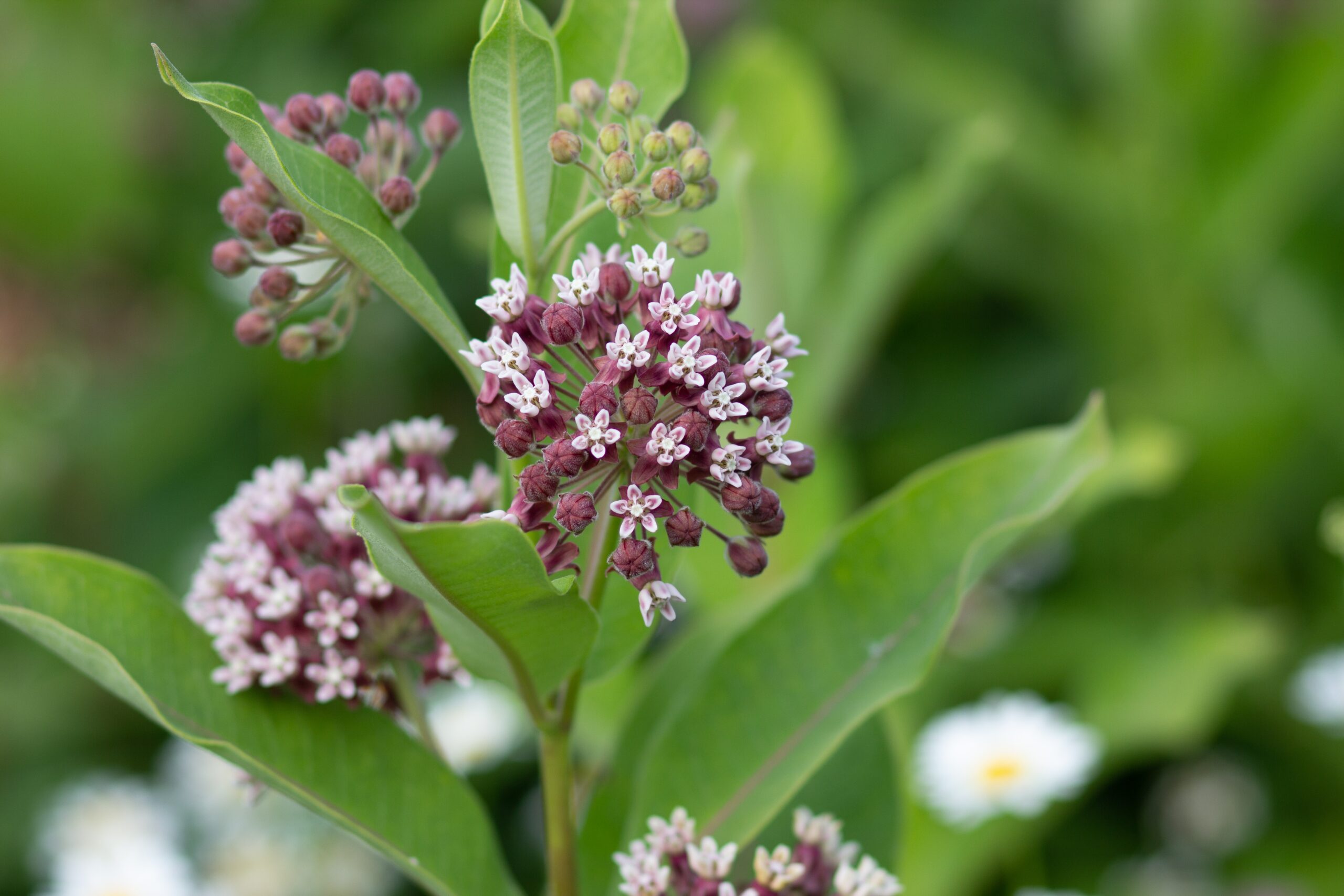
Read this great article about Halton Master Gardener Margaret Larson who loves monarchs, then plant milkweed to really help them!
— Halton Master Gardener Claudette Simms
Lawn
Follow good cultural practices to have a healthy lawn. Mow high, water less frequently but deeply, and feed with compost.
Watering plants
Water newly planted trees and plants regularly; water lawn and existing trees less frequently but deeply. Potted plants will need more frequent watering. Use soaker hoses for water-wise gardening.