
By Claudette Sims, Halton Master Gardener
Perennials
Continue to leave seedheads for birds, but be aware that they are not useful to our bees until they are cut. When you see your first bee flying, trim stems down to 20–60 cm (8–24 in) and leave them until next year to allow bees to complete their life cycle. For more detailed information read this article about Gardening with Wildlife.
Pruning hydrangeas
Prune Hydrangea arborescens (smooth hydrangea or “Annabelle”) before new growth appears. Remove old weak stems, leaving about 1/3 of stems 30 cm long for structure and support. For information about other hydrangea species, check out our easy-to-read factsheet!
Pruning clematis
This method works for all clematis: Starting at the top of the plant and working down, cut out all deadwood on each stem until you reach a live bud. Secure vines as needed. For more information about pruning specific clematis groups, check out this factsheet.
Pruning fruit trees
Prune fruit trees such as apple, cherry, plum, and pear before flower buds swell. Remove any dead, diseased twigs and prune for an open shape. Pear trees generally don’t require pruning, except for shaping.
Gardening with bees in mind
Cut back stems in spring as soon as you see bees flying! Leave those stems for a year so bees can complete their life cycle. Click here to learn how to create habitats for stem-nesting bees.
Bee Care-ful! How you garden makes a difference to our native bees.
– Claudette Sims, Halton Master Gardener
Overgrown shrubs
Use rejuvenation or renewal pruning to restore scraggly or overgrown multi-stemmed shrubs.
Red raspberries
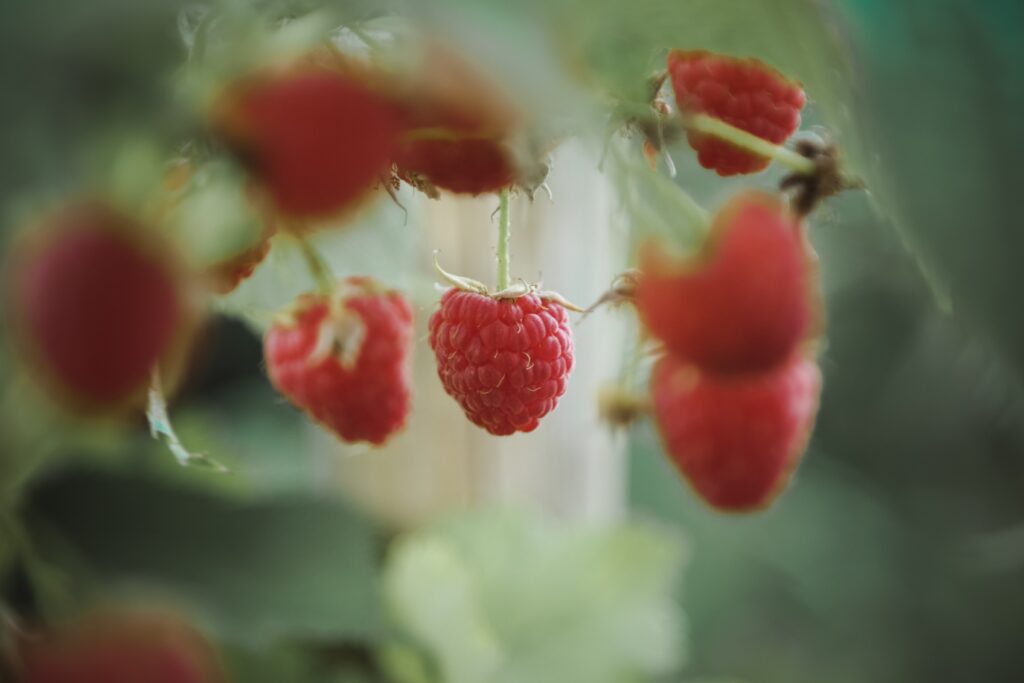
Cut and remove any canes that bore fruit last year as well as any weak canes and dead tips.
Blueberries
Blueberries require annual pruning to produce high yields. Prune out dead, broken, injured branches and remove weak canes and canes older than 5 years or larger than 5 cm.
Prune with wildlife in mind
Use the “chop and drop“ method so prunings replenish the soil and provide nesting material for native birds. Leave larger pieces of wood in the garden for wildlife and consider leaving snags in place as long as it is safe to do so.
March Break
March Break is the perfect time to try some of these fun gardening activities with your children or grandkids!